
Shop ClassicIndustries.com
classic-news-blog-main-header-1

Dodge D100 High Performance Package - The First Muscle Truck?

Back in the early 1960s, pickup trucks were utilitarian vehicles. Maybe you were a farmer picking up livestock feed, a gardener transporting mulch, or a tradesman bringing heavy materials to a job site — the humble pickup truck got it done. Fast forward to today and you'll see a variety of high-end, luxurious trucks with power and acceleration that rivals that of sports cars. So, how did we get here? The Dodge D100 and its High Performance Package option paved the way to modern muscle trucks like the Ram TRX, but its high cost and limited production made the D100 HPP extremely rare.

Video: The K5 Blazer's Rise to Greatness

In the 1960s, American automakers were laying the groundwork for a new type of vehicle: the SUV. The popularity of the Jeep CJ-5 revealed that buyers liked the idea of a small off-road capable 4x4, and the International Scout and Ford Bronco showed that buyers also wanted a 4x4 that was more comfortable and practical. After studying this emerging market and seeing the success of its own Chevy Suburban, General Motors decided to throw its hat in the ring with the release of the legendary K5 Blazer in 1969. The Blazer was larger, more refined on paved roads, and kept costs low by sharing parts with GM's C/K series trucks, but it could still hold its own on rough off-road trails.

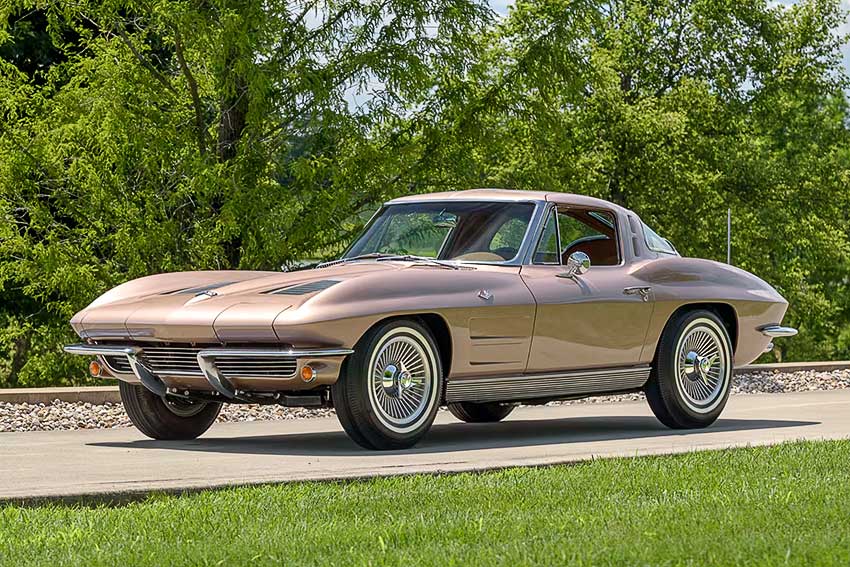
The Complete History of the Corvette ZR1

For Corvette enthusiasts, the name ZR1 means one thing and one thing only: the pinnacle of performance. Ever since the introduction of this racing-oriented option package in the 1970 model year, the Corvette ZR1 has been a car that raises eyebrows everywhere it goes — not just in America, but all over the world. It showed the automotive industry the best of what GM engineers had to offer, and in true "halo car" fashion, it was so expensive to produce that it constantly made the bean counters upset. More than 50 years since its launch, it's still surprising competitors and breaking records. Read on as we take a look back at ZR1 history and study every generation of the ultimate Corvette variant.

Chevy 454 SS: The Muscle Truck That Changed History

The classic formula for any hot rod is to take the biggest V8 engine available and drop it into a relatively small, lightweight chassis. General Motors understood this, but rather than starting with a car, it applied the formula to its recently-debuted GMT400 truck platform. The 454ci big block V8 was normally found in heavy-duty full-size pickups, but starting in 1990, GM dropped it into a 1/2-ton short-bed model and called it the 454 SS. This menacing muscle truck was sold under the appropriate RPO code "B4U" and came with a variety of performance and handling upgrades. Its success forged a new market segment for trucks like the SVT Lightning and Ram SRT-10.

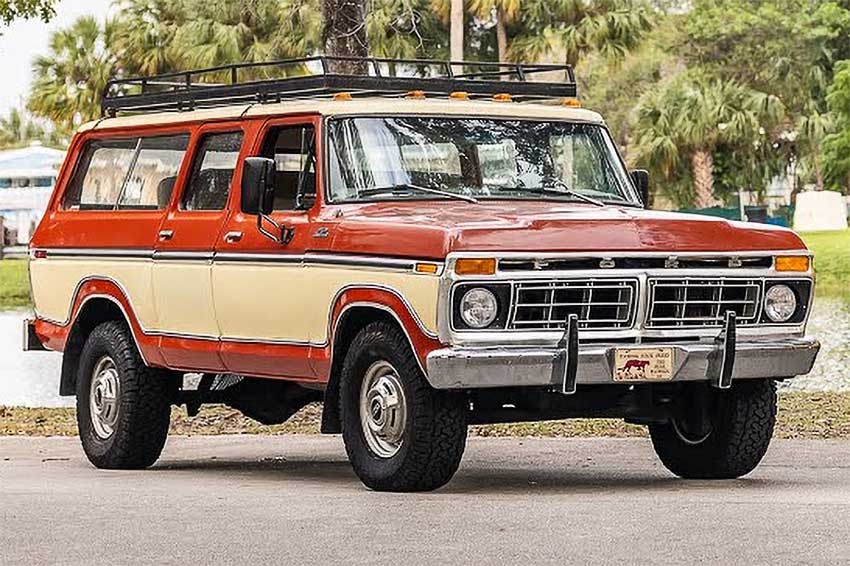
1963-94 Ford B-Series: The Suburban Competitor That Wasn't Available in the USA

Classic truck enthusiasts will surely be familiar with the Chevrolet Suburban. Originally introduced in 1934 and still around today, the Suburban is the longest-running automobile model name of all time. But far fewer know about Ford's attempt to capture a slice of that same market: the Ford B-Series Carryall. Better known under its designations B-100, B-150, B-200, and B-250, the Ford B-Series was a line of full-size SUVs based on the F-Series truck platform. However, it was only sold in Mexico and South America, so they're quite rare in the United States. In this article, we'll delve into the history, design, and features of the Ford B-Series Carryall.

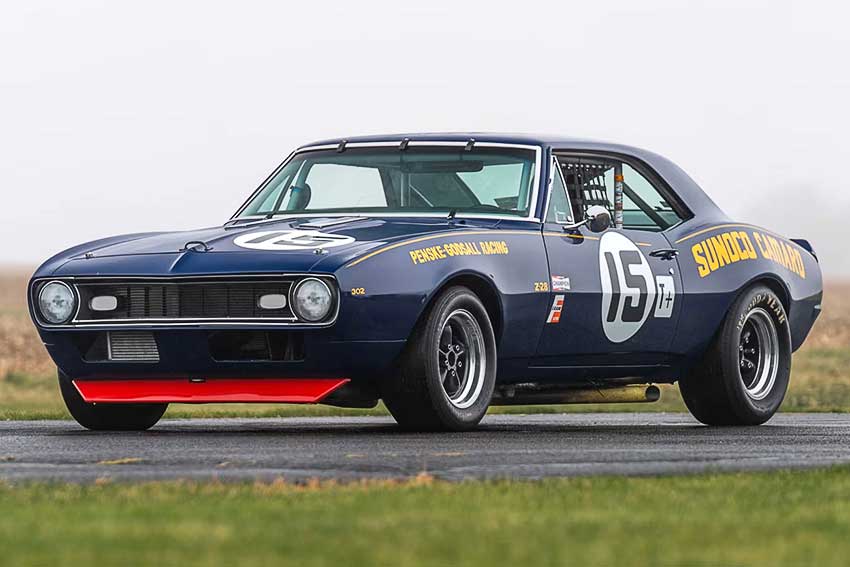
Sunoco Camaro: The Ultra-Lightweight Z28 that Bent the Rules

In 1966, the Trans-American Championship racing series was created by the Sports Car Club of America (SCCA). During those early days, manufacturers competed head-to-head with modified versions of their production cars — these included the Ford Mustang, Mercury Cougar, Plymouth Barracuda, Dodge Challenger, Pontiac Firebird (and later the eponymous Trans Am), and of course the Chevrolet Camaro. Competition was fierce, and as is often the case in racing, teams were looking for any advantage they could get. Mark Donohue's Sunoco Camaro Z28 pushed the limits and bent some rules to achieve an incredible winning streak in the 1968 Trans-Am championship.

Hidden in Broad Daylight: The History of Pop-Up Headlights

In the classic car world, we've watched many memorable design features and styling cues come and go over the years. Designers in the 1950s and 1960s borrowed styling elements from aircraft, leading to what some historians call the "Tailfin Era". In the 1970s and 1980s, T-tops rose quickly to popularity but disappeared just as fast. Pop-up headlights, also known as hidden headlights or hideaway headlamps, are another unique classic car feature that you won't see on new cars anymore. So what happened? Read on as we take a look back at the history of hidden headlights.

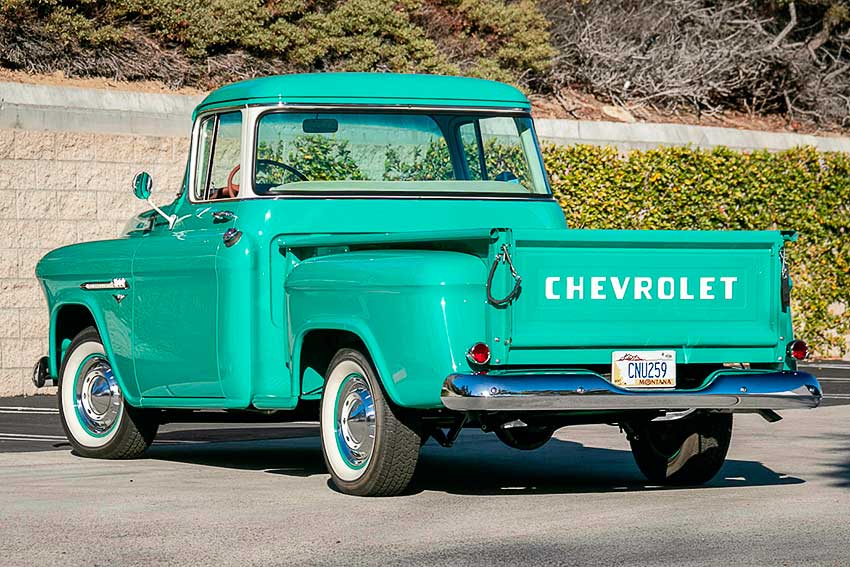
The Rise and Fall of Stepside Trucks

Classic trucks have curves, and that's one of the many reasons we love them. One of the main sources of this curvy appearance is their use of Stepside bed designs. Stepside trucks feature a narrow rectangular bed flanked by external fenders over the rear wheels, plus convenient step platforms behind the cab. Today, we think of this as an optional feature that fell out of favor, but in reality, the Stepside design was simply the default way trucks were made until the mid-1950s. A recent video from Rare Cars summarized the history of Stepside (a.k.a. Flareside or Utiline) truck beds and why they were eventually replaced by the Fleetside beds all modern trucks have today.