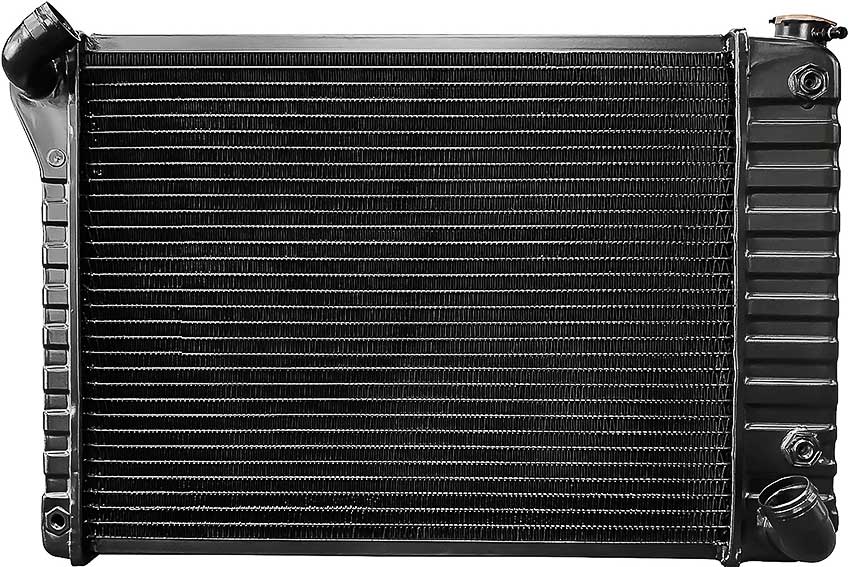

Few things can spoil a drive in a classic Corvette faster than watching the temperature gauge climb toward the danger zone. That concern becomes even more important when there’s a heat-producing Chevrolet 427 big-block packed beneath the hood.

by Classic Industries News, on Aug 28, 2026, 9:04:18 AM
Few things can spoil a drive in a classic Corvette faster than watching the temperature gauge climb toward the danger zone. That concern becomes even more important when there’s a heat-producing Chevrolet 427 big-block packed beneath the hood.
by D. Brian Smith, on Sep 22, 2025, 10:18:04 AM
If there’s one car that stirs up late-night garage debates, it’s the early Corvette. The C1 (1953–1962) and C2 “Sting Ray” (1963–1967) weren’t just fiberglass novelties; they defined what it meant for America to have a sports car of its own. The C1 was born out of postwar optimism, initially more boulevard cruiser than true sports machine, but by the time the C2 hit, with its split-window coupe and big-block firepower, the Corvette had arrived.
Now, more than half a century later, the choice for owners and enthusiasts is clear but not simple: do you restore these icons to bone-stock perfection, or do you restomod them into something sharper, faster, and easier to live with?
Let’s grease up our hands and dig in.

Recognized as the undisputed leader of the Restoration Parts industry, Classic Industries is one of the largest and respected distributors of reproduction, performance and original GM and MOPAR parts and accessories in the industry. Located in Huntington Beach, California, Classic Industries has provided over 1,000,000 customers with parts and accessories they've needed to restore their vehicles for over four decades.