
Shop ClassicIndustries.com
classic-news-blog-main-header-1

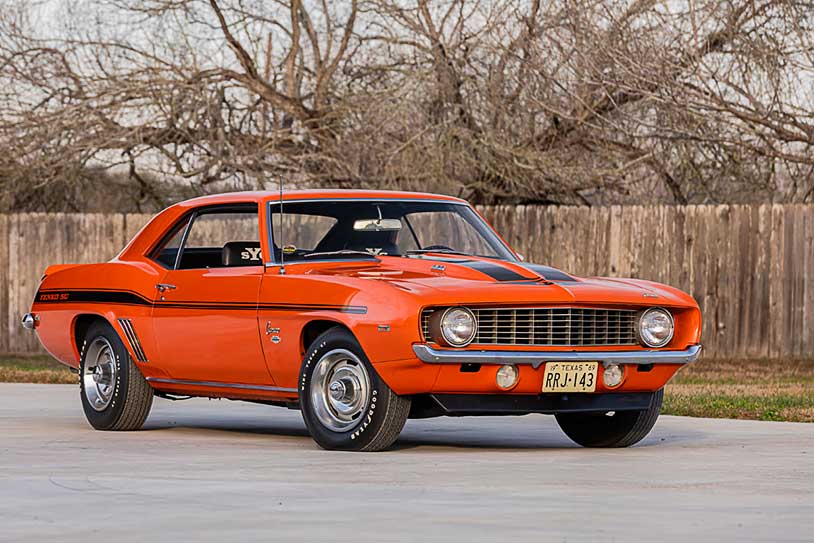
Restoring Your 1969 Camaro Z/28: Chapter 4 - Front End Renewal!

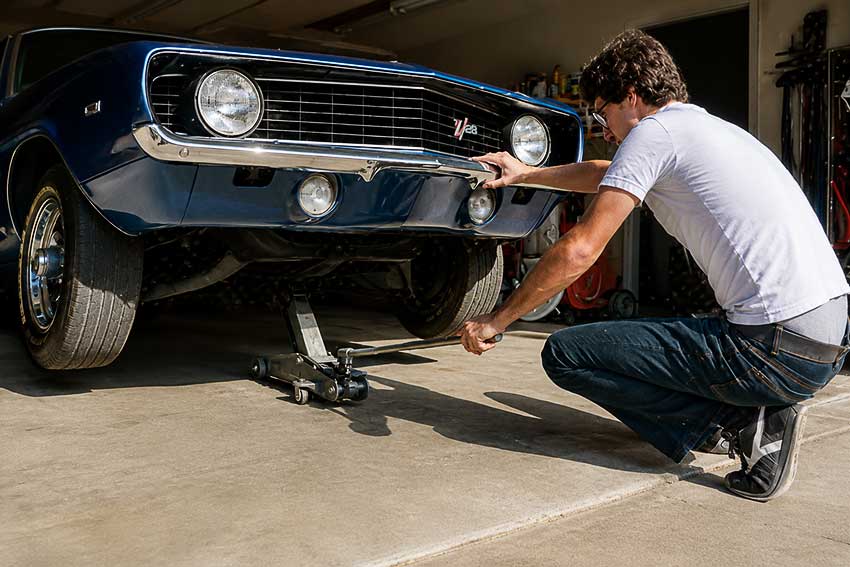
Front end components take a terrible beating. Consi­dering highway conditions - pot holes, rough rail­road crossings, speed bumps, driveway dips, high­way imperfections - it's miraculous that so many older cars are still roaming the roads on their original front end parts. Ball joints and bushings in particular absorb tremen­dous punishment because they connect the spindles to the con­trol arms and the control arms to the chassis, respectively, ac­tually supporting much of the Camaro's weight as the wheels and tires bounce over highway hazards. But although Camaro front ends have survived the mileage and the years, the damage of time and use eventually takes its toll, usually surfacing as tell-tale pops and squeaks before advancing to the dangerous level. 

Restoring a 1969 Z/28 Camaro: Chapter 3 Panel Replacement


After dismantling the Camaro, the restoration pro­ject can progress in a number of different direc­tions. If you intend to rebuild the engine yourself (more on engine rebuilding in a later chapter), dis­assemble the engine and send the block, crank, heads, etc. to a reputable machine shop for boring, polishing, valve work, bal­ancing, or whatever. That way, when you're ready to proceed with the engine rebuilding at a later stage of the restoration, all of the necessary components will be refinished and ready for reassembly.

Restoring a 1969 Z/28 Camaro: Chapter 2B - Taking Apart the Exterior

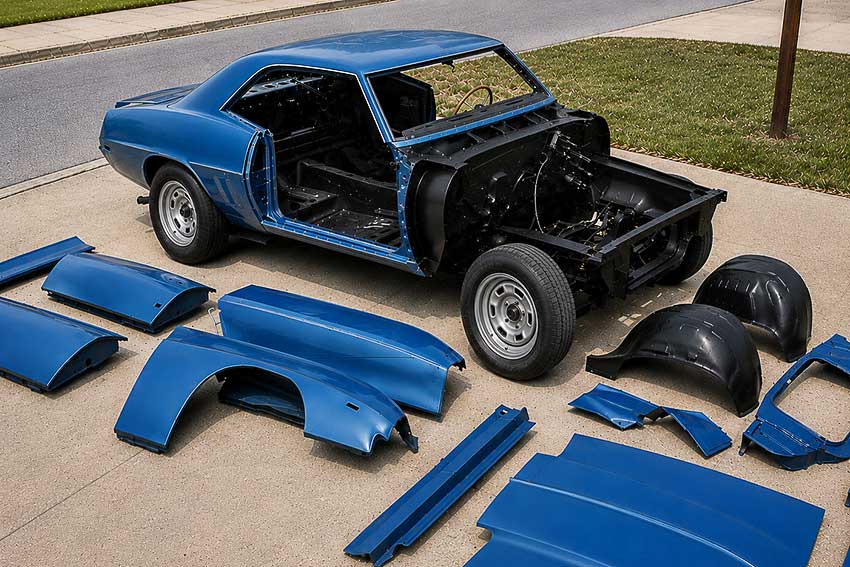
Taking apart our 1969 Camaro Z/28's exterior body panels is a tad more challenging than removing her interior. Still, we were up for the challenge, as you can see from the lead photo. Our Z/28 looks like a full-size scale model, with the exterior items all laid out as if they'd just been removed from one of those plastic scale car model trees. Follow along with the step-by-step guide, so you can get your Camaro looking like a full-size scale model like ours!

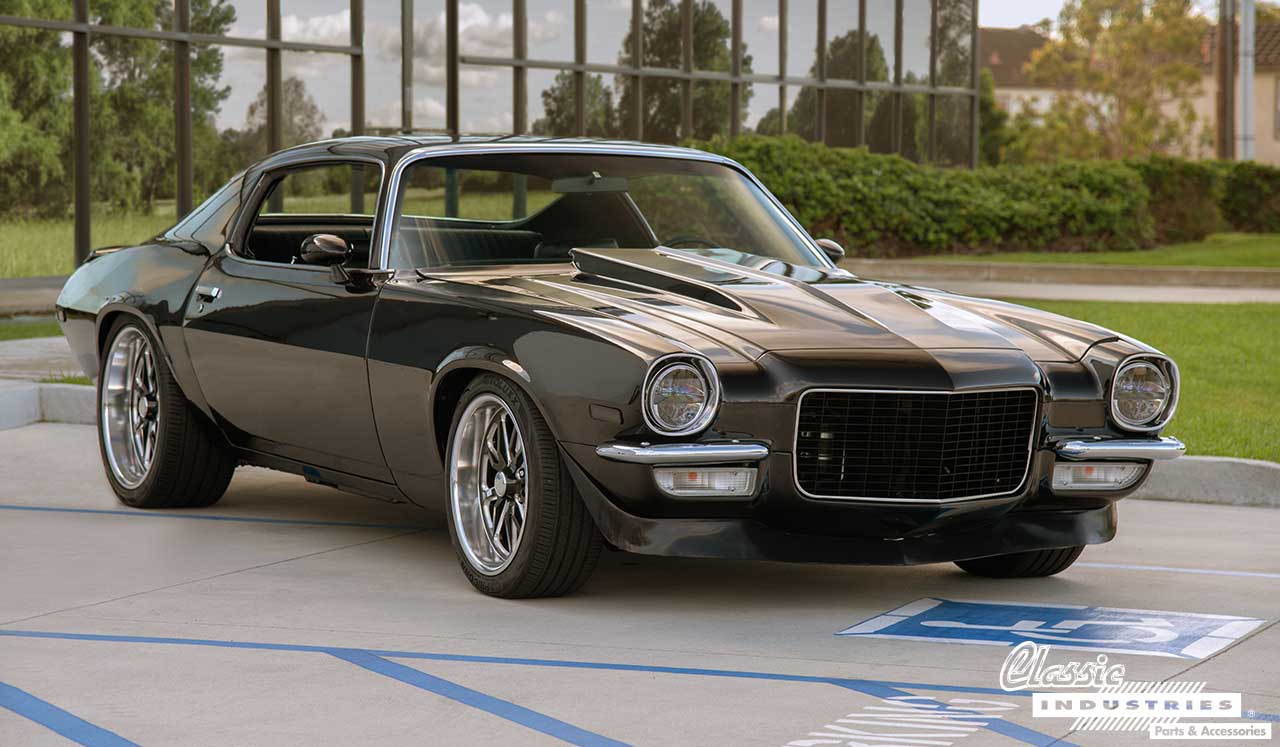
Transforming a 1971 Camaro into a Modern Pro-Touring Beast

American muscle cars are being maintained, restored, renewed, and restomodded on a daily basis around the globe. From amateur DIY'ers to pro-builders that have last names like: Worman, Johnson, Trepanier, Strope, Brizio, Foose, and etc. - these American muscle car artisans are to be commended for preserving automotive history and keeping these rolling works of industrial design, magnificent mechanization, and art looking great and running strong.

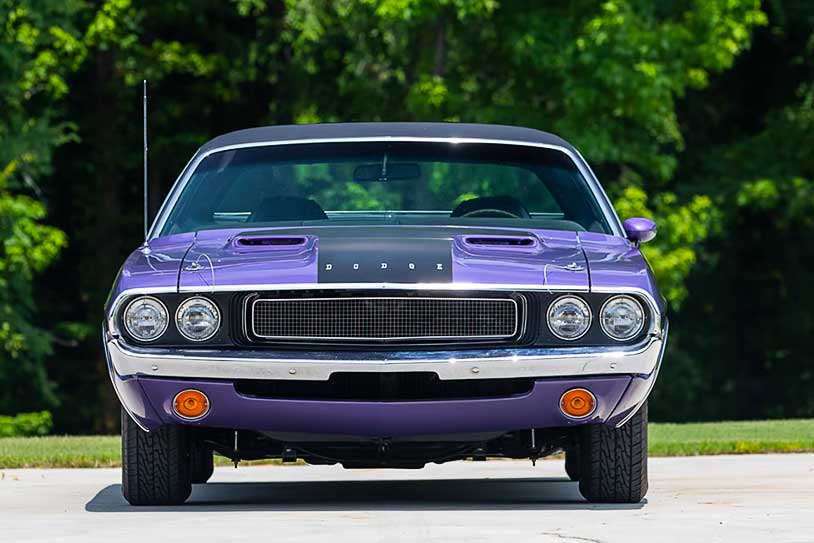
Video: Restoration vs. Restomod: The Classic Dodge Challenger Argument

Few Mopars ignite as much passion - or start as many garage arguments - as the 1970–1974 Dodge Challenger. Born at the height of the muscle-car wars, the E-body Challenger blended Mopar attitude with a long-hood/short-deck Coke bottle profile and a factory engine lineup ranging from steady-Eddie 318s to the fire-breathing 426 Hemi V8. Today, these cars remain first-rate collectibles and prime candidates for either concours-level restorations or full blast restomods.

Both paths can lead to tire-shredding or show-stopping glory, but they take you down very different roads. Here’s a deep dive into the pros and cons of each, from cost and drivability to street cred and resale value.

Videos: Restoration v Restomod: Battling for the 1967-1981 Camaro’s Soul

Few cars embody American muscle like the Chevrolet Camaro. Whether it’s the raw aggression of the first generation (1967–1969) or the sleek, sculpted power of the second generation (1970–1981), every Camaro tells a story of performance and passion.

But every story faces a defining choice: Do you restore it or restomod it?

Both paths have their devotees. One is about historical accuracy; the other is about evolution. Either way, the journey starts with a dream — and usually, a pile of parts.

Father-Son Duo Restores 1968 Camaro with Classic Industries Parts

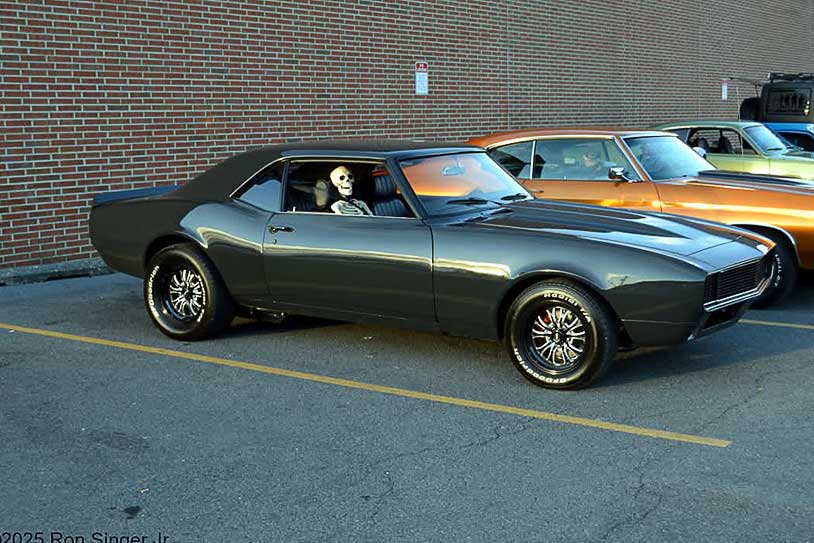
When Pennsylvania car enthusiast Mick Wood first laid eyes on a gutted 1968 Chevrolet Camaro, most would’ve seen an impossible project. No glass, no interior, no drivetrain—just a bare shell with potential. But with the help of his son, and a full lineup of Classic Industries restoration parts, Mick transformed that forgotten relic into a head-turning muscle car he proudly calls “Sinister ’68.”

This two-year father-and-son build blends timeless Camaro style with modern performance and comfort—an incredible showcase of craftsmanship, creativity, and passion for the Chevy legacy.

Videos: Restoring v Restomodding a 1965-1973 Ford Mustang - You Decide

Few cars command respect like the 1965–1973 Ford Mustang. Whether it’s a ’65 fastback 289, a Boss 302, a rare and racy Shelby Mustang, or a Mach 1 big block, these icons of American muscle never fail to turn heads.

But once you’ve tracked down your dream project—maybe a dusty barn find or a half-finished Craigslist special—you’re faced with one big decision:

Do you restore it to factory specs, or build a modernized restomod beast?

Videos: Restoring v Restomodding the 'Cuda: Clash of the Mopar Titans

When you say Barracuda—or better yet, just ’Cuda—you’re talking about one of Mopar’s crown jewels. The E-body muscle machine that could be had with a screaming 340 small-block, a tire-vaporizing 440 Six-Pack, or the deity-level 426 HEMI. Today, though, owning one brings you to the crossroads every Mopar junkie dreads:

Do you keep it bone-stock and resurrect it with a nut-and-bolt restoration, or do you throw tradition to the wind and unleash a modern restomod monster?

Let’s throw these two gladiators into the pit and see who walks out.

Videos: Restoring v Restomodding: The C1 & C2 Corvette Dilemma 1953-67

If there’s one car that stirs up late-night garage debates, it’s the early Corvette. The C1 (1953–1962) and C2 “Sting Ray” (1963–1967) weren’t just fiberglass novelties; they defined what it meant for America to have a sports car of its own. The C1 was born out of postwar optimism, initially more boulevard cruiser than true sports machine, but by the time the C2 hit, with its split-window coupe and big-block firepower, the Corvette had arrived.

Now, more than half a century later, the choice for owners and enthusiasts is clear but not simple: do you restore these icons to bone-stock perfection, or do you restomod them into something sharper, faster, and easier to live with?

Let’s grease up our hands and dig in.