
Shop ClassicIndustries.com
classic-news-blog-main-header-1

Custom Autosound Radios: Modern Upgrades for Classic Cars

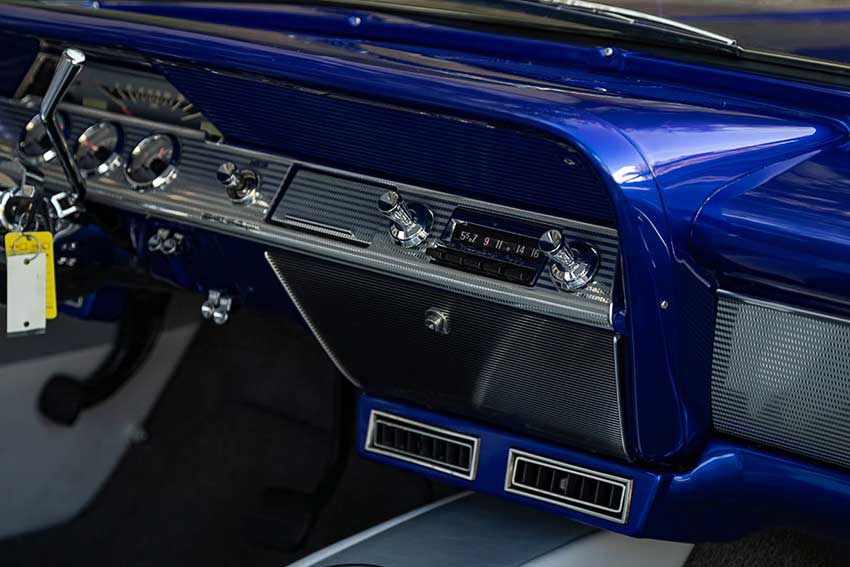
Upgrading the sound system in a classic vehicle used to mean sacrificing originality, but not anymore. Whether you’re restoring a first-generation Camaro, cruising in a Tri-Five Chevy, or bringing a vintage Mustang back to life, today’s solutions allow you to enjoy modern audio without altering your dash.

Custom Autosound radios at Classic Industries deliver the perfect combination of factory-correct styling and modern technology, making them one of the most popular upgrades among classic car enthusiasts.

In this guide, we’ll explore the top Custom Autosound radio options and highlight real Classic Industries part numbers to help you find the right fit for your vehicle.

Video: The Future of Classic Car Audio Is in Your Pocket

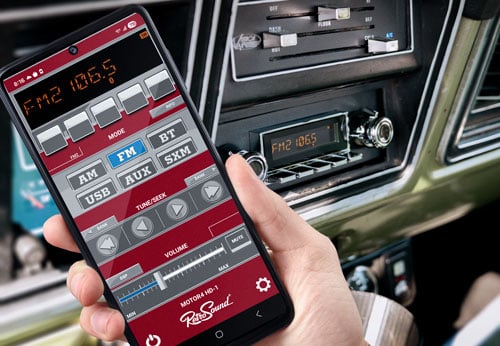
There’s something timeless about a classic car - the lines, the sound, the feeling. But when it comes to technology, even the most vintage ride deserves a modern upgrade. Enter the RetroSound Radio Control App: a free, powerful companion that transforms how you interact with your vehicle’s audio system.

Designed specifically for RetroSound radios equipped with the latest Motor 4HD and Motor 4DAB platforms, this app bridges the gap between nostalgic style and cutting-edge convenience - putting total control right in the palm of your hand.

Holley Street Warrior 600 CFM: Great Carburetor for Classic Muscle Cars


SKU: H80457

Category: Fuel System / Carburetors
Brand: Holley Performance

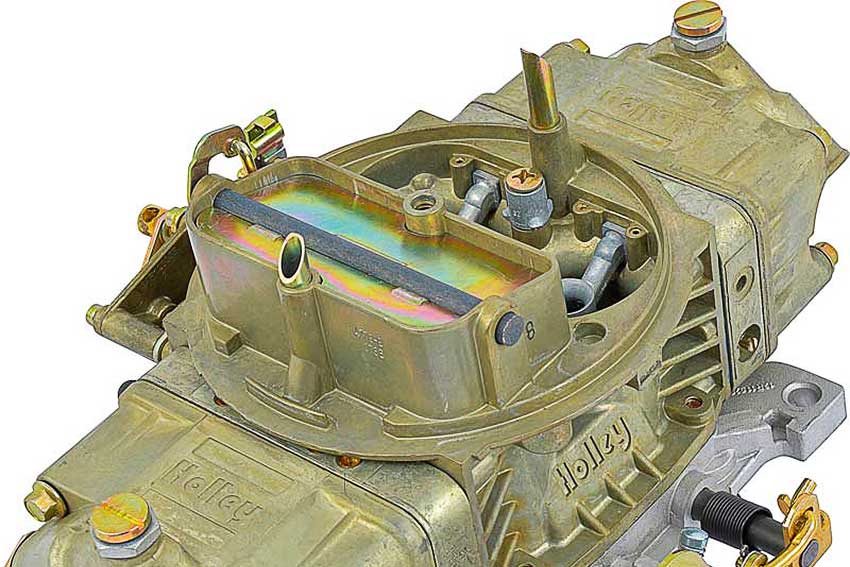
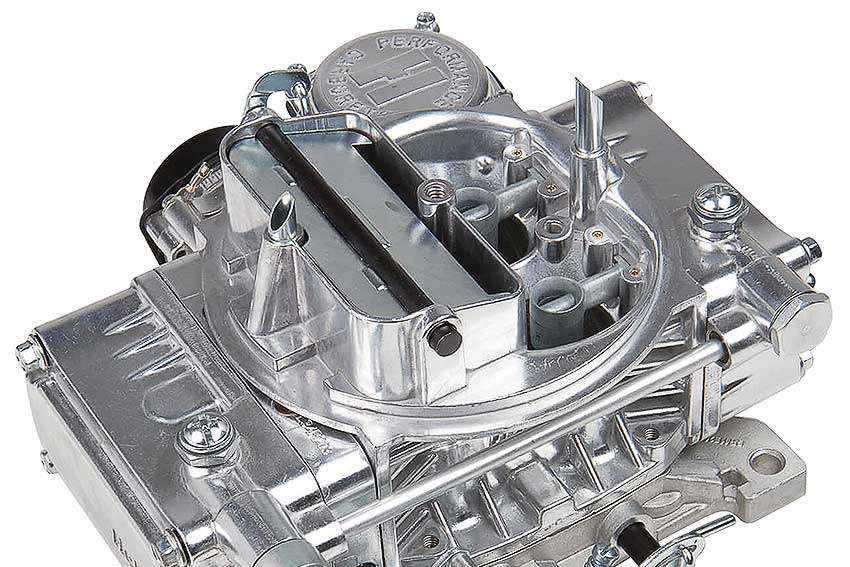
When it comes to building, restoring, or upgrading an American pony or muscle car, few components influence both performance and personality quite like the carburetor. The Holley Street Warrior 600 CFM 4160 Carburetor - available at Classic Industries - delivers the perfect blend of reliability, drivability, and classic performance that enthusiasts have trusted for generations.

Whether you're dialing in a small-block Chevy, tuning a Ford 302, or breathing new life into a Mopar V8, this carburetor is designed to help your engine perform at its best - on the street where it belongs.

The Unicorns of Auburn Hills: 1970 & 1971 Hemi ’Cuda Convertibles

Few machines occupy the highest echelon of American muscle car mythology quite like the 1970 and 1971 Hemi ’Cuda convertibles. These cars are so rare, so purpose-built, and so brutally charismatic that even the most seasoned collectors speak of them in hushed tones. In the world of Mopar performance, a Hemi ’Cuda convertible represents lightning captured in steel—a moment in which Detroit unknowingly birthed rolling royalty.

A Smarter Way to Restore: Classic Industries’ Digital Mopar Catalog

Classic Mopar enthusiasts now have a powerful new resource at their fingertips. Classic Industries has released a comprehensive digital catalog for Mopar A-body, B-body, and E-body vehicles, covering model years 1960 through 1976. Whether you're restoring a vintage Dart, Charger, Barracuda, Challenger, Road Runner, or what have you from the vaunted Mopar A-, B-, or E-bodies, this updated digital catalog provides a more efficient and accessible way to source authentic parts and accessories for your project.

Videos: Restoring v Restomodding the 'Cuda: Clash of the Mopar Titans

When you say Barracuda—or better yet, just ’Cuda—you’re talking about one of Mopar’s crown jewels. The E-body muscle machine that could be had with a screaming 340 small-block, a tire-vaporizing 440 Six-Pack, or the deity-level 426 HEMI. Today, though, owning one brings you to the crossroads every Mopar junkie dreads:

Do you keep it bone-stock and resurrect it with a nut-and-bolt restoration, or do you throw tradition to the wind and unleash a modern restomod monster?

Let’s throw these two gladiators into the pit and see who walks out.

Muscle Meets Flower Power: The History of Dodge & Plymouth's Rare "Mod Top" Option

The 1960s were a weird and wonderful time to be a car enthusiast. In addition to serving as the beginning of the muscle car era, this decade brought bold and colorful new styling to all of the "Big Three" American car brands. Arguably, the Dodge and Plymouth Mopar cars were at the forefront of this movement with head-turning High Impact paint colors and more unusual options like the one we'll be discussing today. The Mod Top option added one of three vibrant floral print patterns in place of a solid-color vinyl roof, and could even be extended to the interior upholstery.

Drag School Boot Camp: A Transformative Program in Lewisberry, Pennsylvania

Nestled in the heart of central Pennsylvania, the Drag School Boot Camp in Lewisberry stands as a beacon of hope and transformation for young adults facing the consequences of their past actions. Operating under the umbrella of National Drag School Youth Projects Inc., this program has been a cornerstone of rehabilitation and community service for over two decades.

The Cars of Mannix: A Stylish Ride Through TV Detective History

When it comes to classic television detectives, few were as cool — or as car-savvy — as Joe Mannix, played by Mike Connors in the long-running CBS series Mannix (1967–1975). A tough, street-smart private investigator with a penchant for physical confrontations and old-fashioned grit, Mannix was also notable for the parade of stylish, performance-oriented automobiles he drove across the show’s eight seasons. These cars not only underscored his rugged yet sophisticated persona, but also became stars in their own right, many of them customized by legendary car builder George Barris, of Batmobile fame.

Let’s take a deep dive into the cars Mike Connors drove as Joe Mannix, season by season.

Mopar VIN Decoder & Fender Tag Decoder: A-Body, B-Body, & E-Body Specs

The golden era of American muscle cars brought us some of the coolest vehicles in automotive history, with Mopar — a combination of "Motor" and "Parts" under Chrysler — leading the charge. Between 1960 and 1976, Mopar manufactured a wide array of A-body, B-body, and E-body cars under its Chrysler, Dodge, and Plymouth divisions. These included legendary models like the Charger, Challenger, Barracuda, Road Runner, Super Bee, GTX, Dart, and Duster. Enthusiasts and restorers alike often rely on decoding information such as VINs, fender tags, and broadcast sheets to verify originality, specs, and authenticity. Below, we've provided a detailed VIN decoder and step-by-step guide to help you learn more about your classic Mopar car.