
 Few machines occupy the highest echelon of American muscle car mythology quite like the 1970 and 1971 Hemi ’Cuda convertibles. These cars are so rare, so purpose-built, and so brutally charismatic that even the most seasoned collectors speak of them in hushed tones. In the world of Mopar performance, a Hemi ’Cuda convertible represents lightning captured in steel—a moment in which Detroit unknowingly birthed rolling royalty.
A New E-Body Era (1970): Perfect Timing, Perfect Proportions
When Plymouth introduced the E-body platform for 1970, it marked a turning point not only for the Barracuda line but for the entire American performance landscape. The new architecture was lower, wider, and engineered with big-block engine fitment in mind—finally giving Plymouth a worthy contender in the muscle car wars.
The Hemi Heartbeat
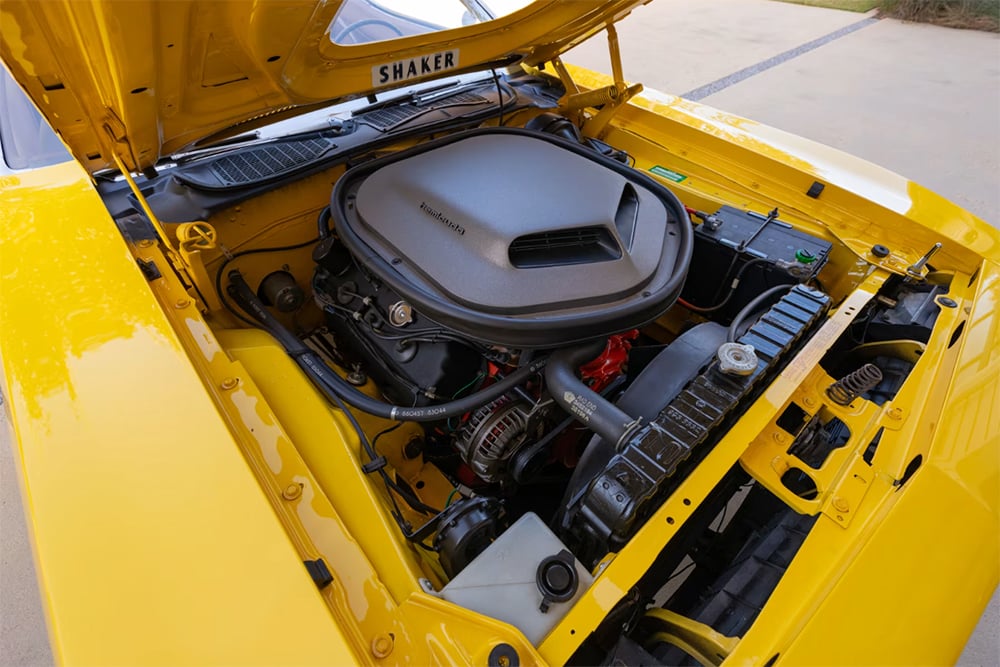
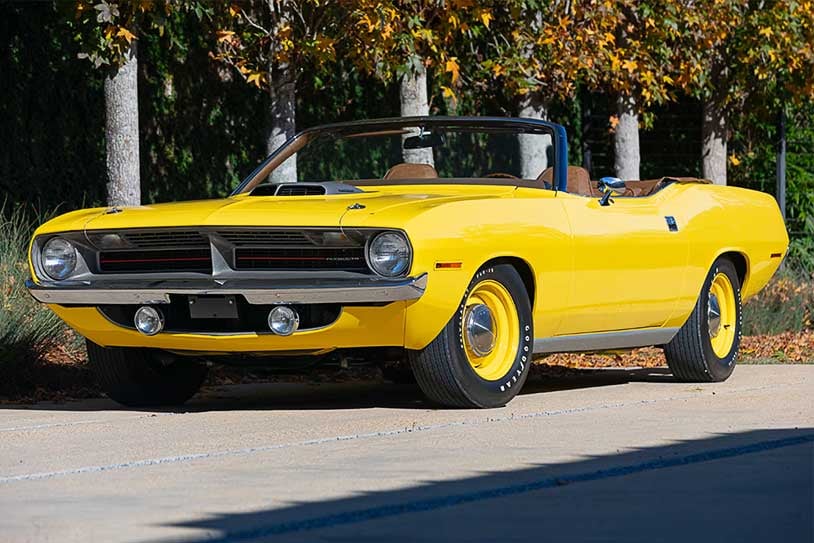
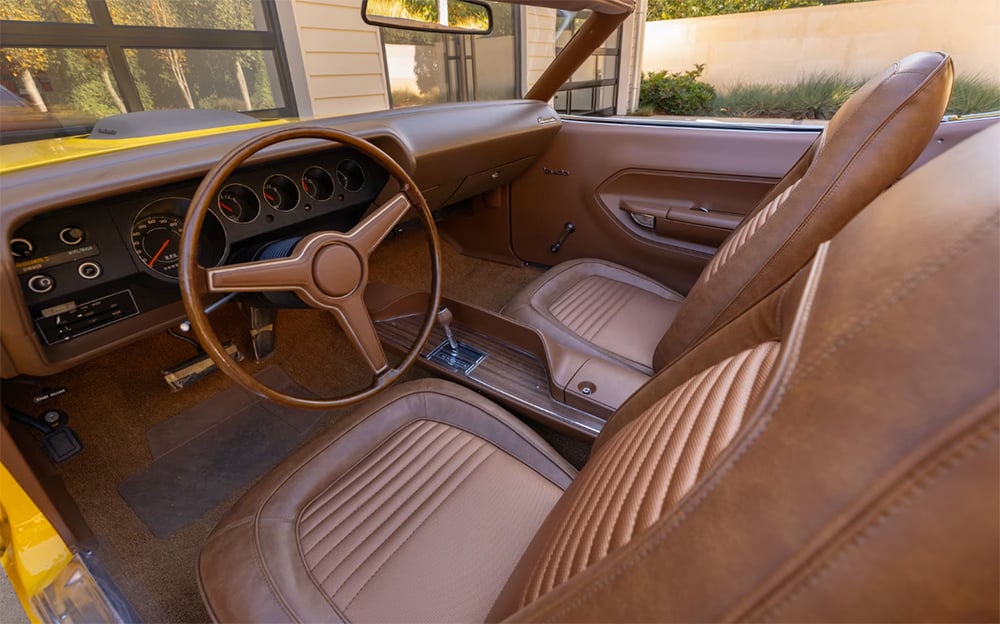
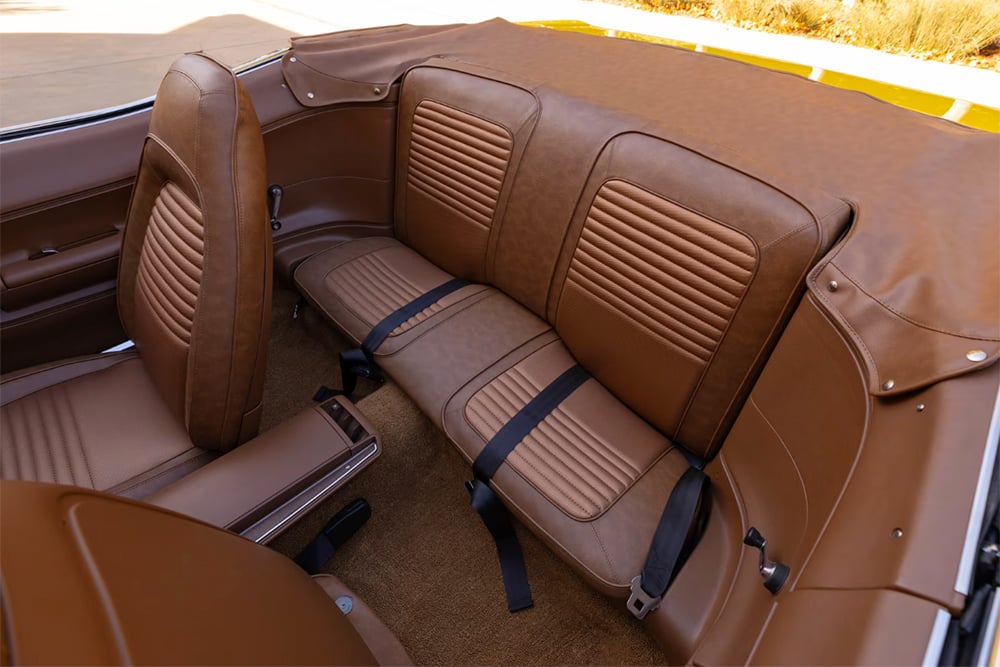
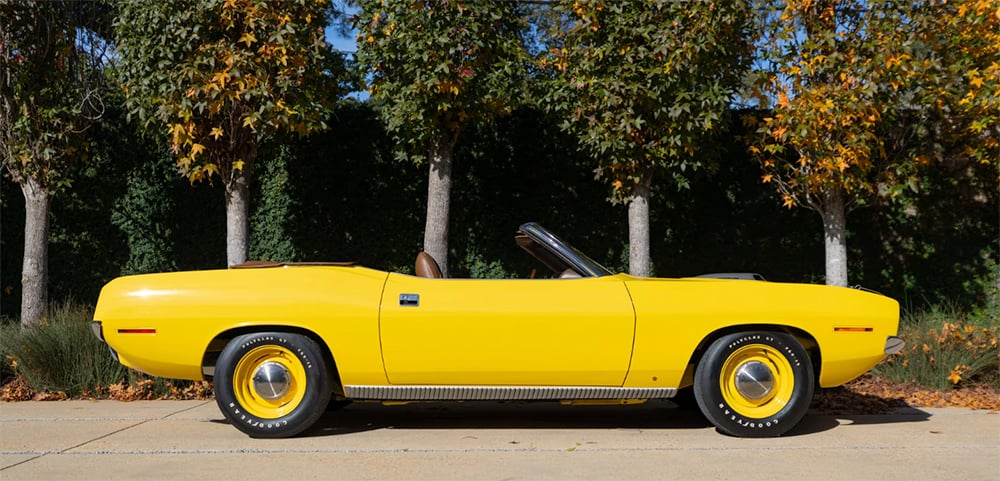
Above and several below: Here's the 426 Hemi V8 engine that's in the 1970 Hemi 'Cuda convertible garnering the lead photo position for this article (photos courtesy of Mecum Auctions). The 'Cuda's specifications are just below:
- 1 of 14 Hemi Cuda Convertibles produced for the 1970 model year
- 1 of only 9 with automatic transmission
- Documented with two broadcast sheets
- Displayed at the MCACN Mopar E Body Hemi Convertible Invitational
- Rotisserie restoration completed by Legendary Motorcar in Halton Hills, Ontario, Canada
- Body stripped to bare metal, components refinished to OEM style
- Production markings and tags present and correct throughout engine bay and undercarriage
- Chrome has been triple-plated and stainless has been polished
- Body stripped to bare metal and refinished in correct High Impact FY1 Lemon Twist
- H6T5 Tan interior and Black convertible top
- Documented ownership history
- Restoration photos and paperwork
- Owner's manual
At the core of the legend lies the 426 Hemi, a thunderous, race-derived V8 officially rated at 425 horsepower (and unofficially understood to produce significantly more). With dual four-barrel carburetors, high compression, cross-bolted mains, and enormous breathing capacity, the Hemi was as intimidating as it was intoxicating.
Installing this engine into a convertible body created a unique blend of brute force and open-air freedom - an unlikely pairing that made the cars even more extraordinary.
Production Reality: Rarity Beyond Imagination
For 1970, Plymouth produced just 14 Hemi ’Cuda convertibles in total:
- Nine automatics
- Five four-speeds
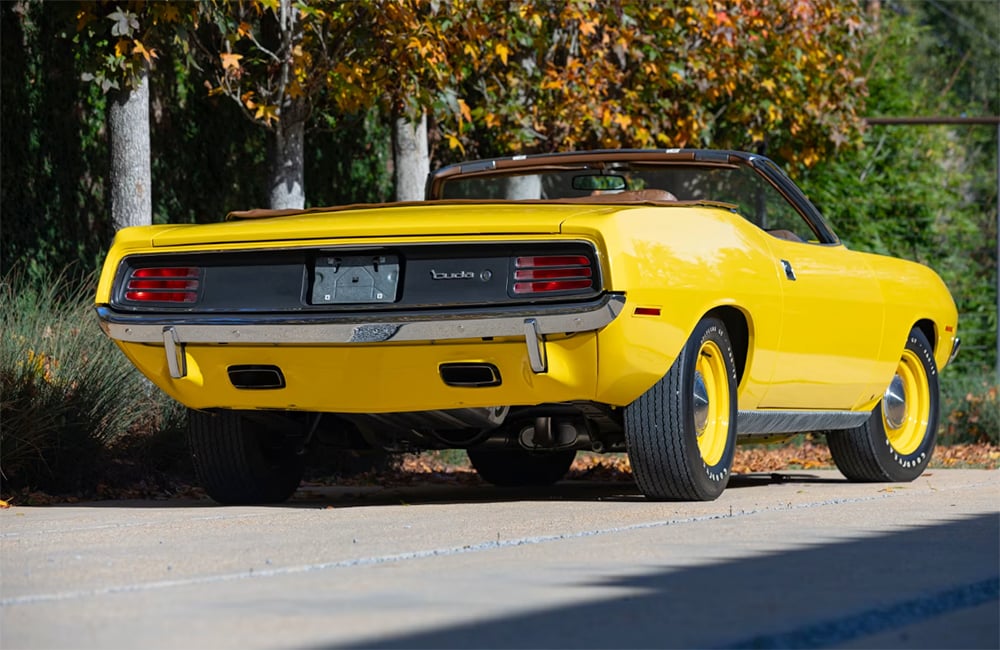
A combination of high cost, intimidating performance, and shifting buyer preferences meant few customers opted for a drop-top version of Plymouth’s most aggressive drivetrain. The result is one of the rarest production muscle cars ever built.
1971: A New Face & Even Greater Rarity
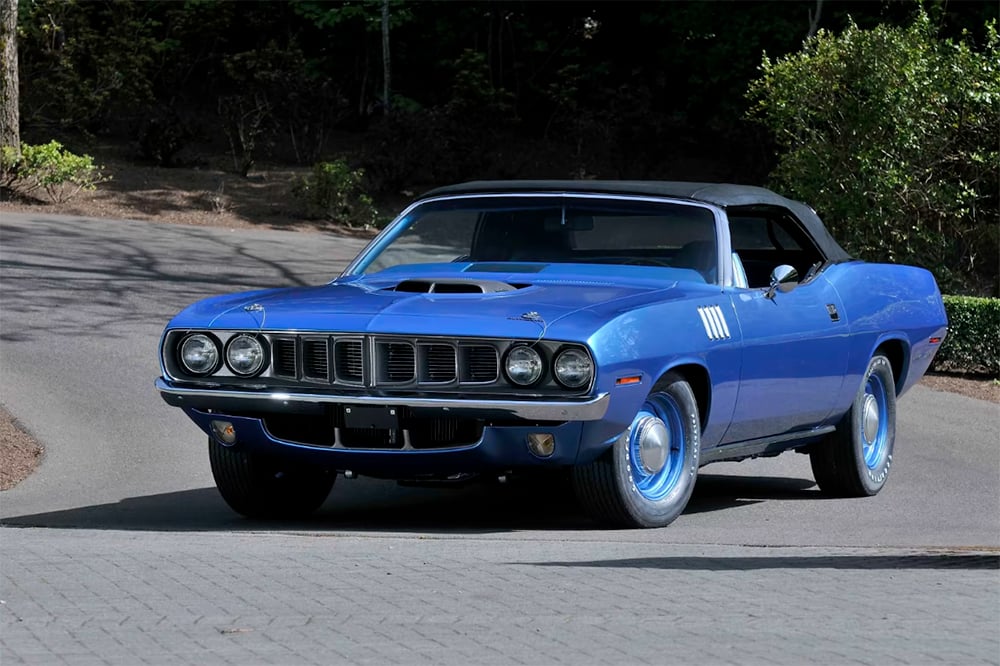
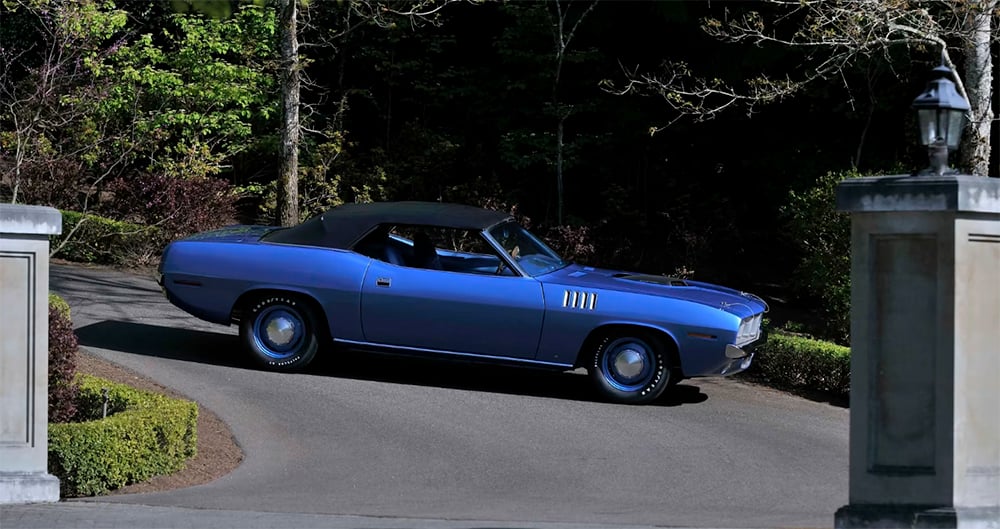
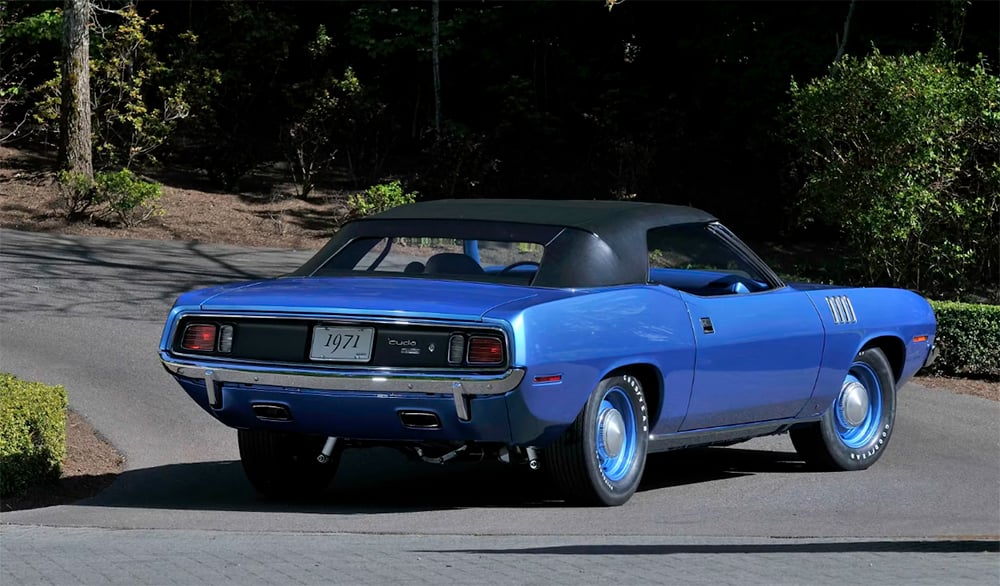
Above and several below: 1971 Hemi 'Cuda convertible (photos courtesy of Mecum Auctions) specifications:
- Fully restored example of what is arguably the most sought after factory muscle car in the world
- 1 of 2 four-speed examples delivered in the US
- Retains mostly all of its original sheet metal
- Retains its original drivetrain
- Documented with the broadcast sheet
- Original Hemi 426/425 HP V-8
- Original 4-speed transmission
- Two 4-barrel carburetors
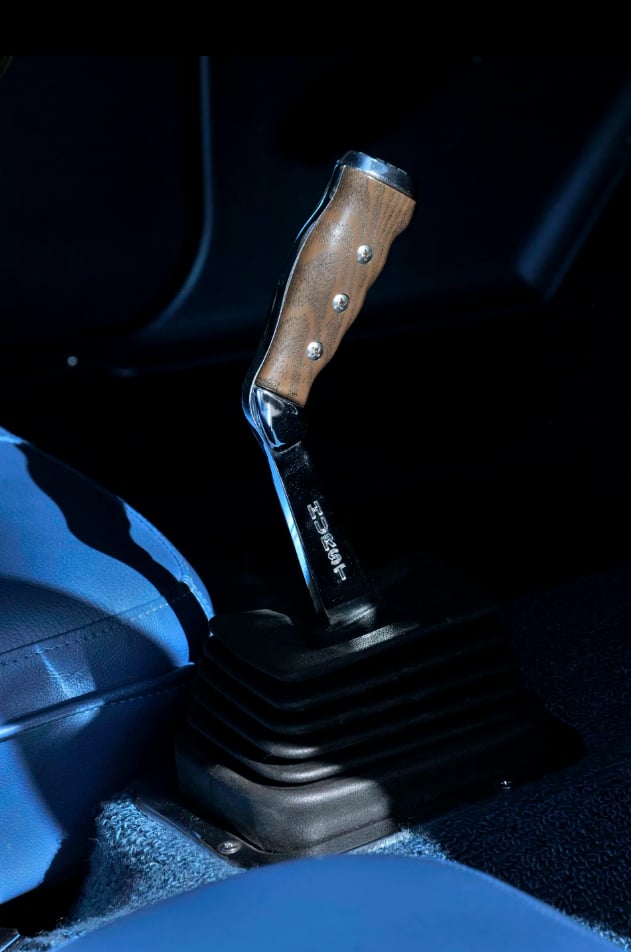
- Hurst Pistol Grip shifter
- Power brakes
- Blue with Blue interior and Black top
- Bucket seats
- Goodyear polyglas tires
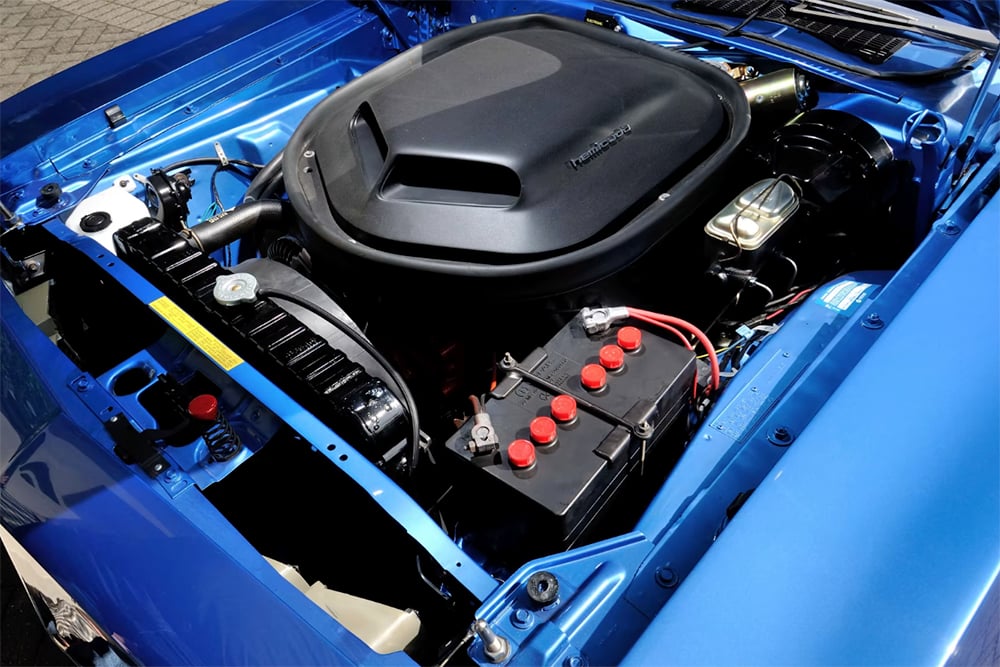
If 1970 is legendary, 1971 enters the realm of myth. Plymouth refreshed the ’Cuda with a bold, shark-like grille, quad headlights, and available billboard stripes that dominated the flanks. The styling was aggressive, theatrical, and unmistakably Mopar.
Only 12 Examples—Worldwide
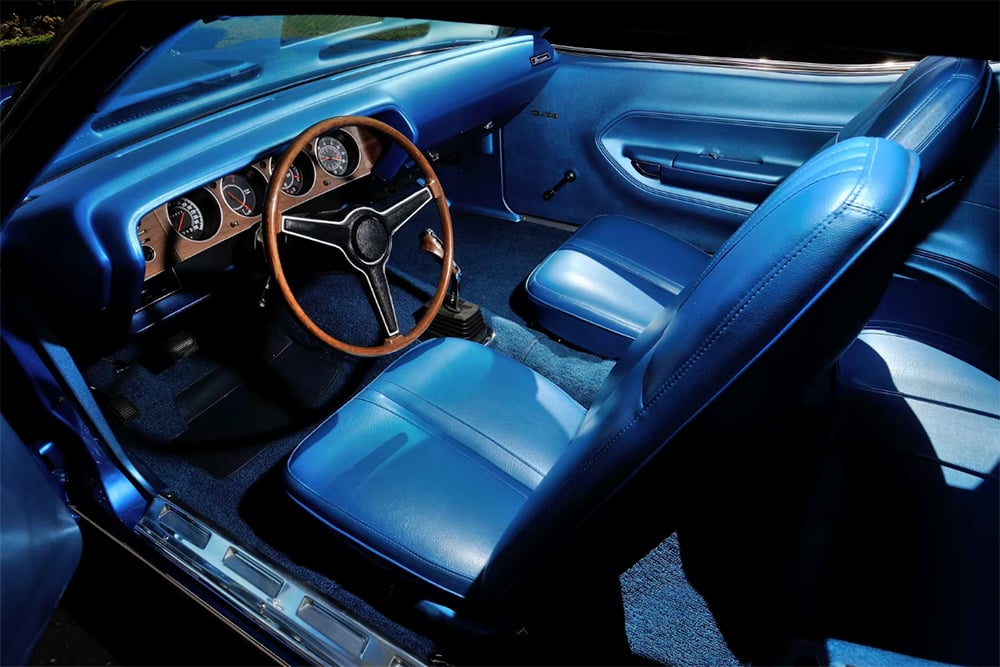
Just 12 Hemi ’Cuda convertibles were built for 1971:
- Seven automatics
- Five four-speeds
These numbers are so low that for every Hemi ’Cuda convertible in existence, dozens of Ferrari supercars exist by comparison. Surviving examples routinely command multi-million-dollar auction results, especially the four-speed cars.
The Final Roar of the Hemi Era
By 1971, muscle car performance faced new pressures:
- Skyrocketing insurance premiums
- Looming emissions regulations
- A corporate shift toward lower compression ratios
The Hemi disappeared after this model year. In hindsight, the 1971 Hemi ’Cuda convertible became not only a rare production anomaly but also the final open-air expression of Chrysler’s greatest performance engine.
Behind the Wheel: A Sensory Assault
Those who have experienced a Hemi ’Cuda convertible firsthand describe it as a sensory overload. Turn the key, and the 426 Hemi erupts with an uneven, loping idle that reverberates through the chassis. The sound is less like an engine and more like a mechanical declaration of dominance.
On the open road, the car behaves like a living creature - raw, unpredictable, and eager to lift its nose at wide-open throttle. The dual quads inhale with a thunderous roar, and acceleration feels both exhilarating and unrefined in the most authentic muscle car sense.
Driving a Hemi ’Cuda convertible is not simply transportation. It is participation in horsepower history.
Styling That Left an Indelible Mark
The Hemi ’Cuda convertibles combined unmistakable Mopar attitude with surprisingly clean proportions.
Key Visual Signatures
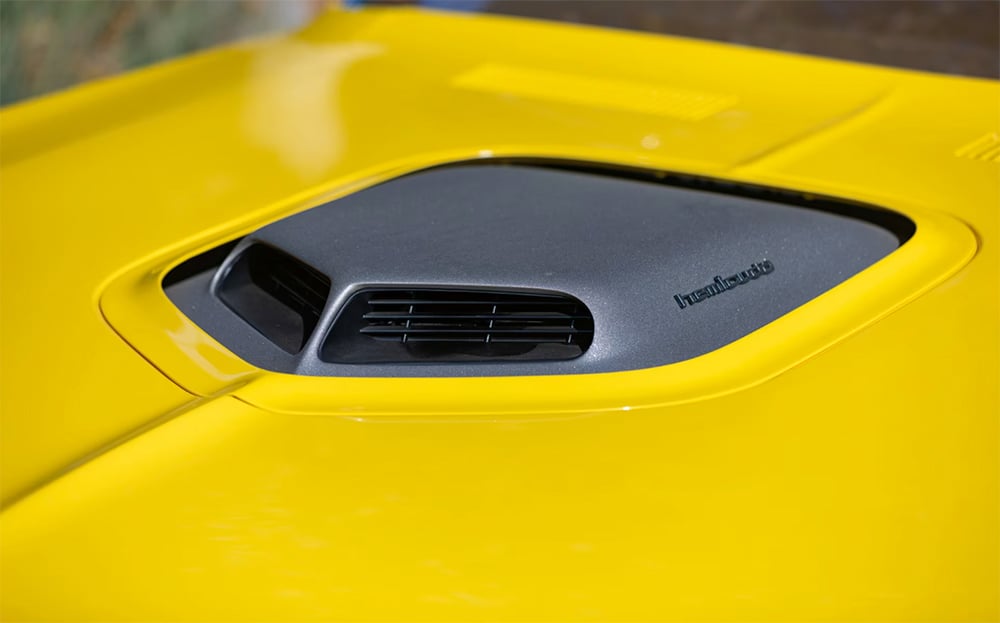
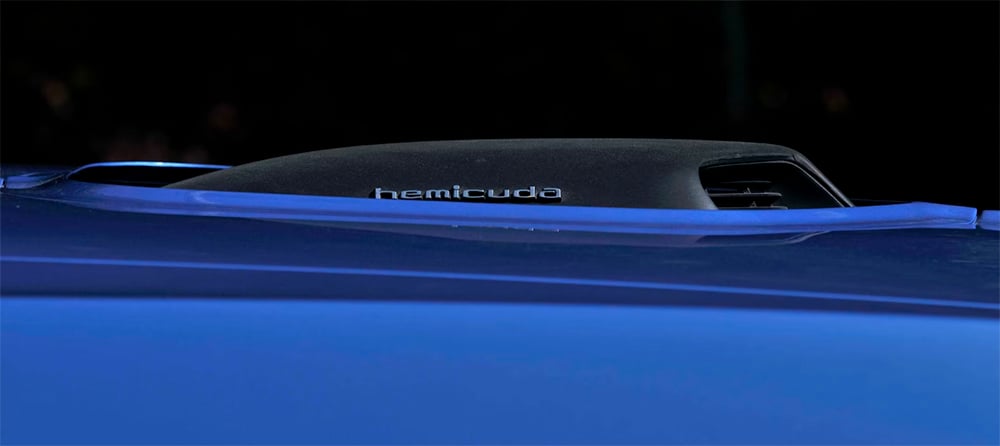
- Shaker hood scoop feeding cold air to the Hemi
- High Impact Colors like Sassy Grass, Tor-Red, and In-Violet
- Hockey-stick or Billboard stripes
- Magnum 500 or Rallye wheels
- Predatory 1971 grille and fender treatments
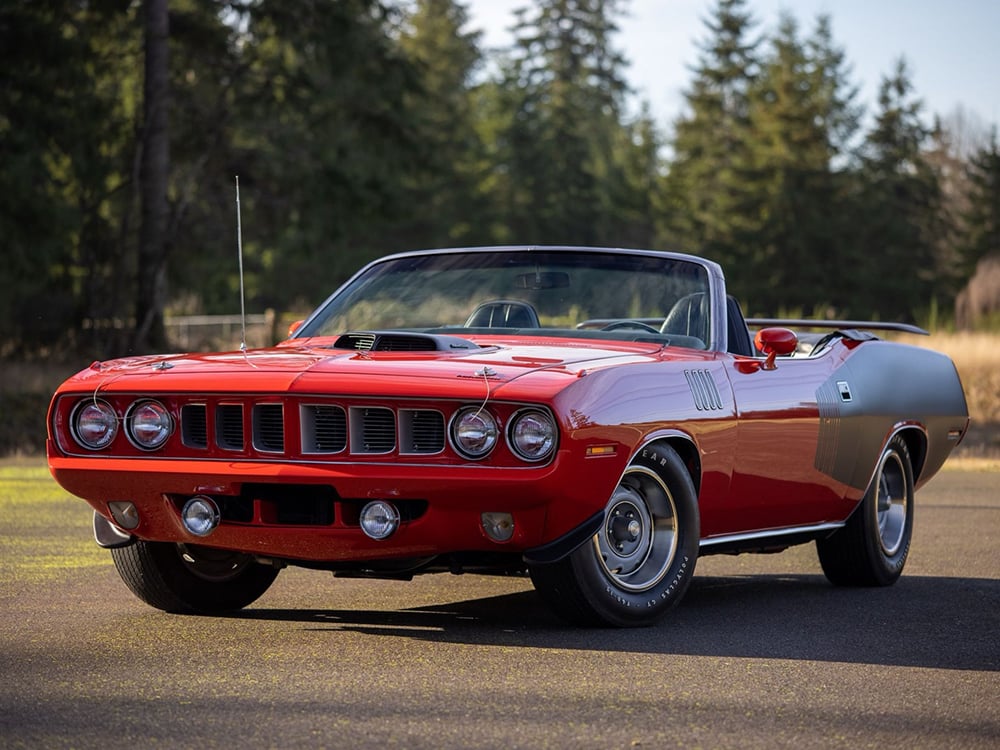
The cars didn't just hint at performance; they broadcast it with unabashed confidence.
Why Collectors Revere Them
Ask any collector why the 1970 and 1971 Hemi ’Cuda convertibles stand atop the American muscle hierarchy, and the answer is simple:
They are machines that should never have existed - yet they do.
An ultra-high-performance convertible at the dawn of the emissions era?
A low-volume combination of cost, engineering audacity, and sheer luck?
It was a recipe destined for automotive legend.
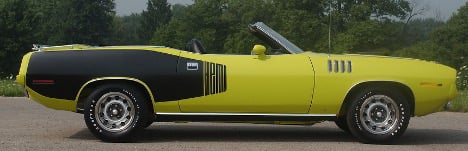
Their value lies not only in scarcity but in the improbable circumstances that allowed a handful of these machines to survive into the modern era.
Preserving the Legacy
Today, restorers and enthusiasts work tirelessly to maintain the handful of surviving examples. The parts support ecosystem—including faithfully reproduced interior components, sheetmetal, trim, and Shaker assemblies—helps ensure these rare Mopars remain roadworthy and historically accurate.
Decades after their debut, the allure of a Hemi ’Cuda convertible continues to grow. These cars represent the zenith of American muscle performance - machines created at the very moment the horsepower wars reached their highest pitch before fading away.
Conclusion: Legends in Steel and Octane
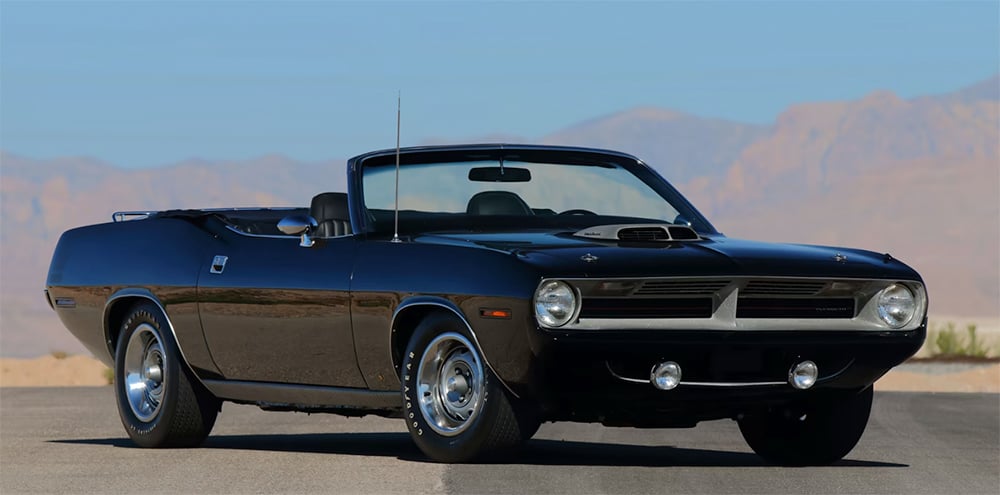
The 1970 and 1971 Hemi ’Cuda convertibles stand as the ultimate expression of Mopar performance and the rarest production muscle cars ever to emerge from Detroit. Their combination of power, scarcity, and dramatic styling ensures their place in history - not just as collector cars, but as symbols of an era when automakers dared to build machines of unfiltered ambition.
Need Parts for Your 1964-1974 Plymouth Barracuda?
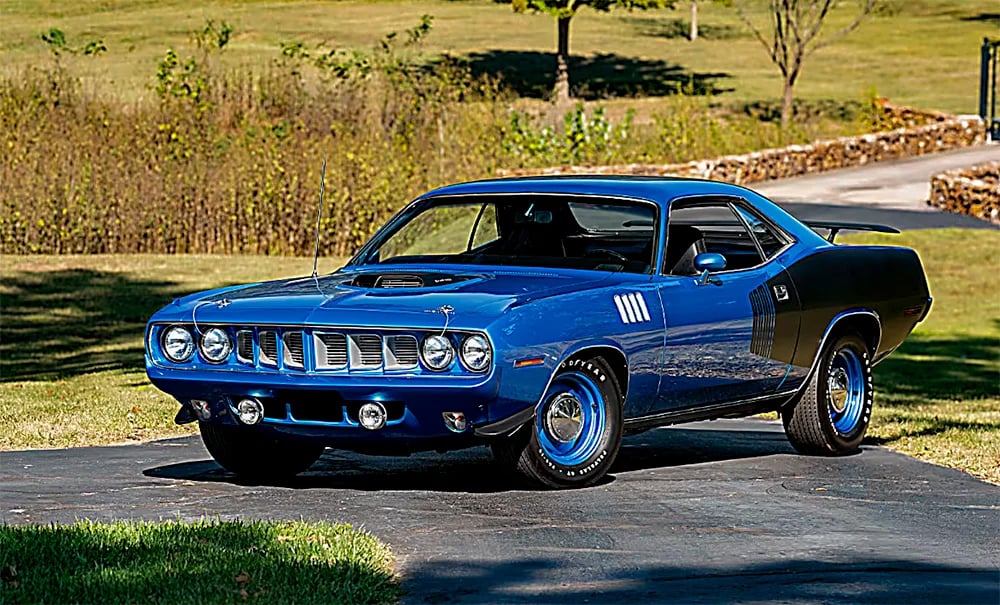
Classic Industries is the leading source for Mopar classic car restoration parts, performance upgrades, and accessories. We offer a full line of parts for Mopar A, B, and E-Body vehicles, including the Plymouth Barracuda Hemi convertible, hardtop, or otherwise equipped. Click the button below for a free full-color Mopar restoration parts catalog.

Classic Industries - Download & Explore
The Classic Industries 1960–1976 Mopar A/B/E-Body Digital Catalog is available now, free of charge. Whether you're restoring a vintage classic to showroom condition or building a weekend cruiser with modern touches, this catalog is built to help you do it right.

Classic Industries Mopar Article Archives
Get reading and video watching the Classic Industries' article archives that cater to all things Mopar - the mighty Pentastar!
- Videos: Restoring v Restomodding the 'Cuda: Clash of the Mopar Titans
- Mopar VIN Decoder & Fender Tag Decoder: A-Body, B-Body, & E-Body Specs
- Restoring v Restomodding a ’66–’74 Dodge Charger: A Gearhead’s Dilemma
- Videos: Top 10 Restoration Mistakes on the 1966–1974 Dodge Charger
- 1973 'Cuda - American Muscle Car Owner Honors Big Brother
- Mopar Paint: Dodge & Plymouth High-Impact Paint Colors
- How to Identify Classic Dodge and Plymouth A, B, and E-Body Vehicles
Above: Classic Mopar Engines: Slant Six, Small Block, Big Block, and 426 Hemi