


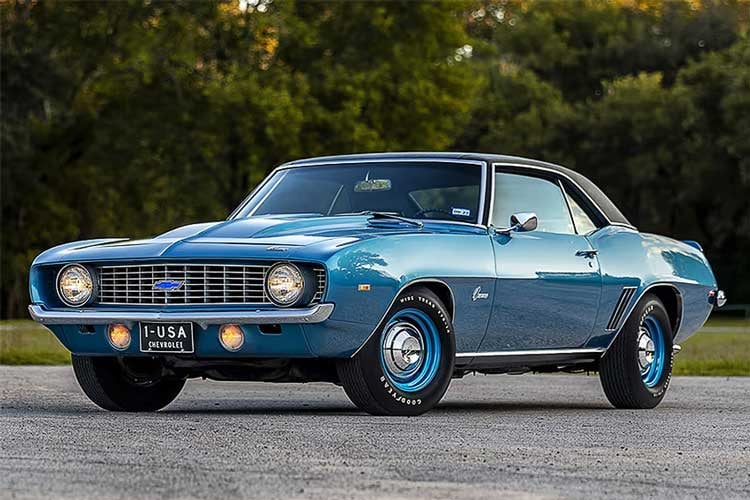
When you're tackling a classic Camaro restoration project, it's essential to know the original specifications of the vehicle you're restoring. If you don't know how your car rolled off the factory floor, it's much more difficult to return it to that condition. This is especially true due to the tendency of classic cars to be rebuilt and/or modified over the years. So, what's the best way to learn your vehicle's factory specs? The answer is simple: the VIN, or Vehicle Identification Number. Read on as we show you how to use our Camaro VIN decoder to learn more about your classic Chevy.
1969 COPO Camaro lead photo courtesy of Mecum Auctions
Camaro VIN Decoder
A Vehicle Identification Number is a unique identifier often used in the title transfer, registration, and insurance processes. In addition to identifying the car for these purposes, the VIN can also be decoded to reveal details about when, where, and how your car was originally built.
What Information is Inside a Camaro VIN?
- • Make and Model
- • Engine Type, Displacement, and Fuel System
- • Body Style (Coupe, Convertible, etc.)
- • Restraint System (Manual Seatbelts, Airbags, etc.)
- • Model Year
- • Assembly Location
- • Sequential Production Number (Starting with 100001)
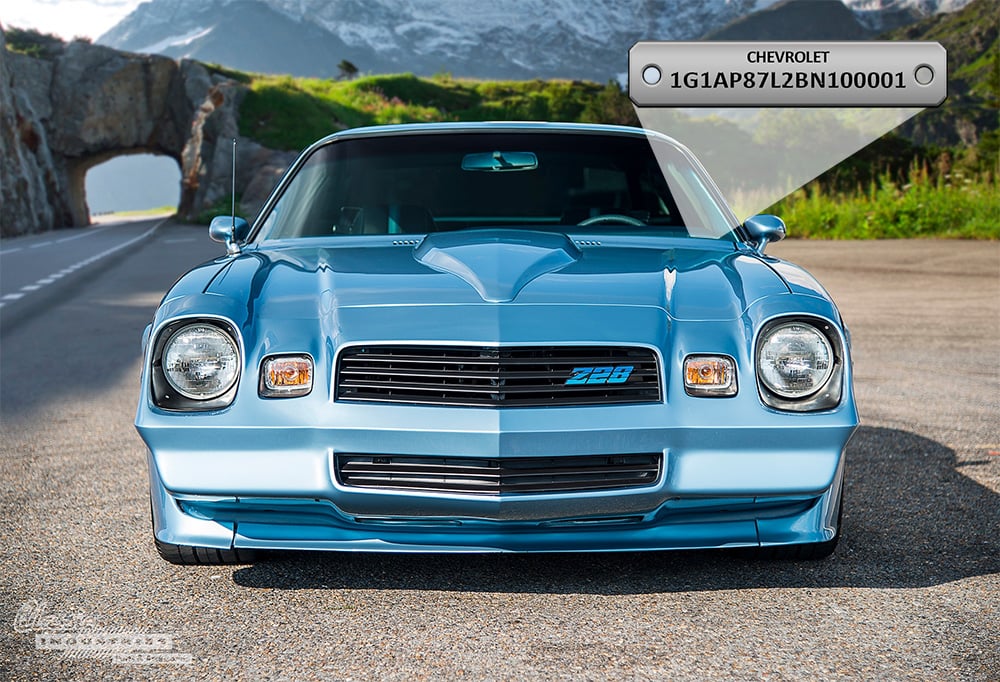
To simplify the process of pulling this information from your Camaro's VIN, Classic Industries has created a Camaro VIN Decoder that will help you understand more about your 1967-2002 first, second, third, or fourth-generation Camaro. Check out the video below for a detailed explanation from our tech department, or scroll down to the appropriate section below and follow the guide to decode your VIN digit by digit.
VIN Plate Location for Camaro Models
1967 Models have the Vehicle Identification Number located on a steel plate riveted to the left door jamb on the hinge pillar.
1968-2002 Models have the Vehicle Identification Number located on a steel plate riveted to the upper dash panel, visible through the driver’s side lower corner of the windshield from the outside of the vehicle.

Above: For 1968 and later models, the VIN plate location was changed to make it visible from the outside of the vehicle. This allowed law enforcement to easily check whether a vehicle's VIN matched the license plate without opening the door.
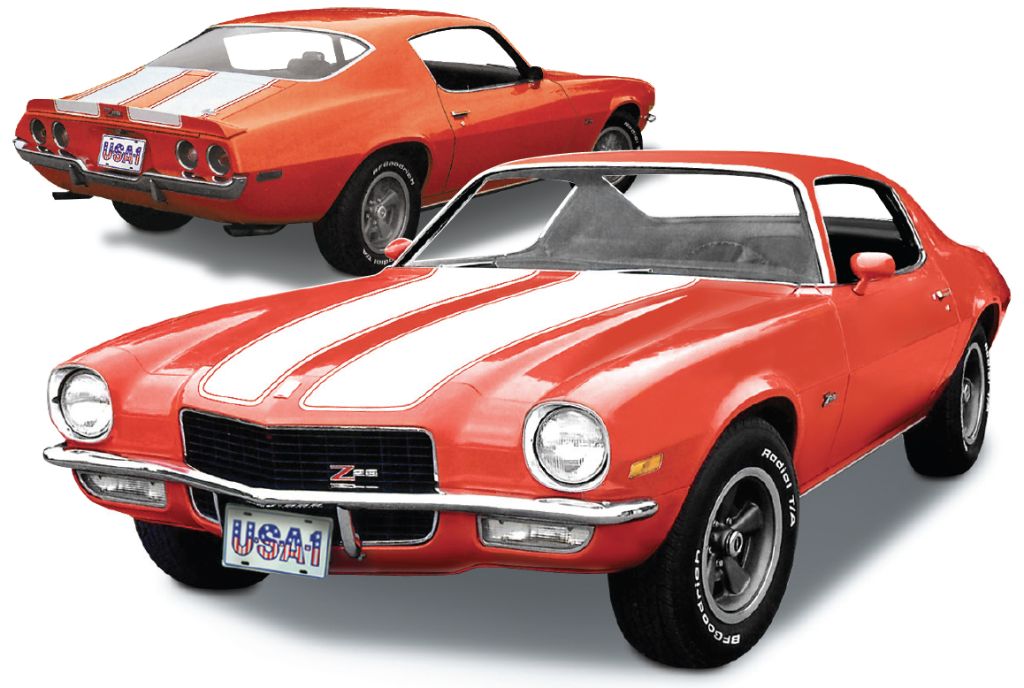
1967-1971 Camaro VIN Decoder
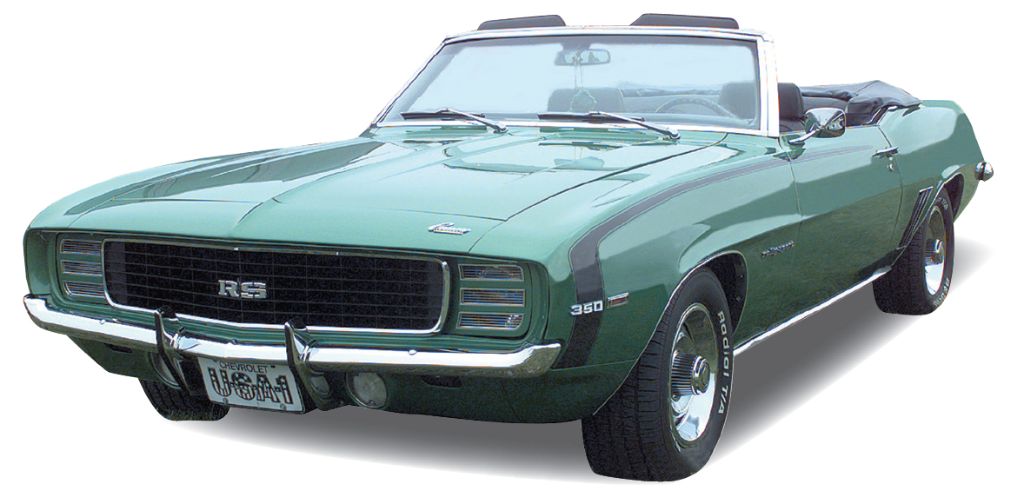
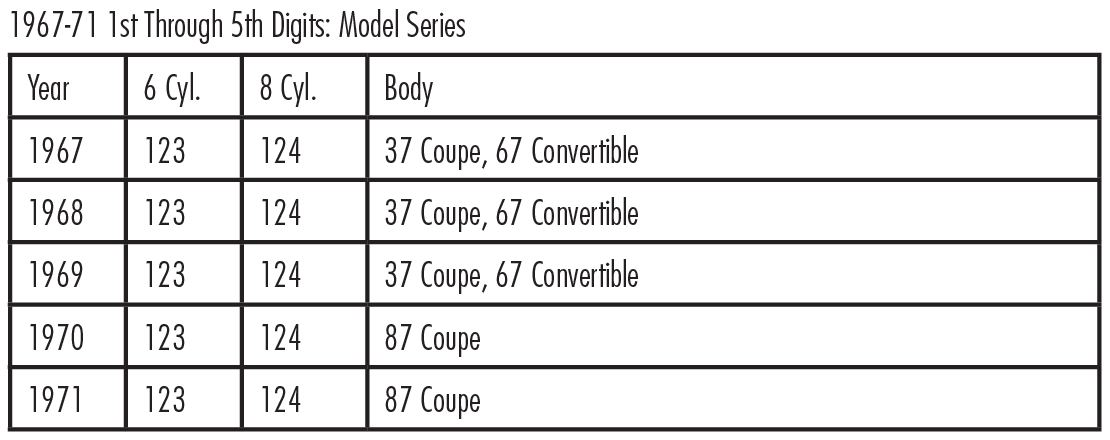
The first-generation and early second-generation Camaro used a consistent VIN format, which can be decoded using the data tables below. Just remember that if you have a 1967 Camaro, you'll need to look on the door jamb to find the VIN.
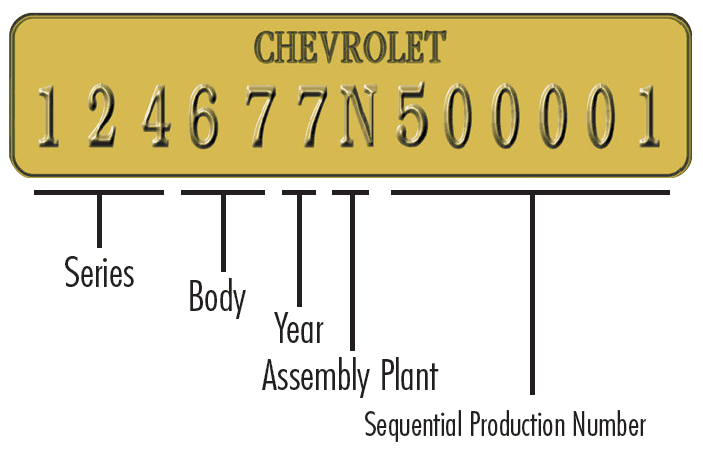
First Digit
Series Origin: 1=General Motors
Second Digit
Series Model: 2=Camaro
Third Digit
Engine: 3=6 Cyl., 4=8 Cyl.
Fourth & Fifth Digits
Body Style: For 1967-69 models, 37=Coupe and 67=Convertible; for 1970-71 models, 87=Coupe
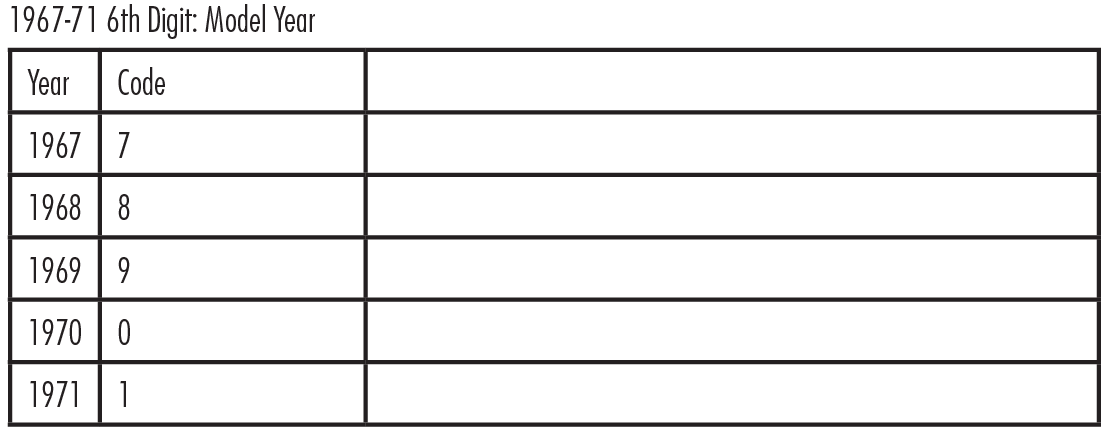
Sixth Digit
Year: (see codes below)
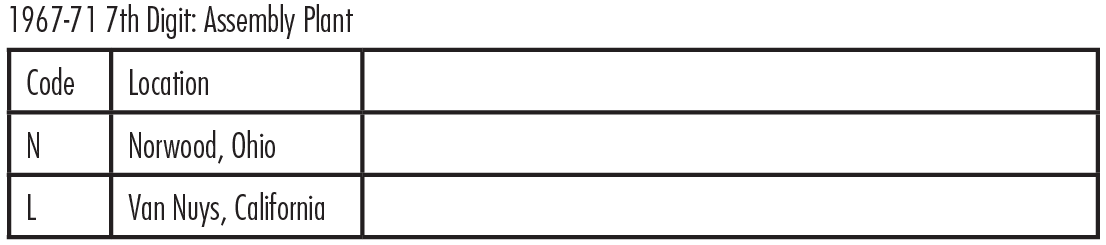
Seventh Digit
Production Plant: N=Norwood, Ohio, L=Van Nuys, California
Eighth through Thirteenth Digits
Sequential Production Number — the first Camaro ever built was #100001
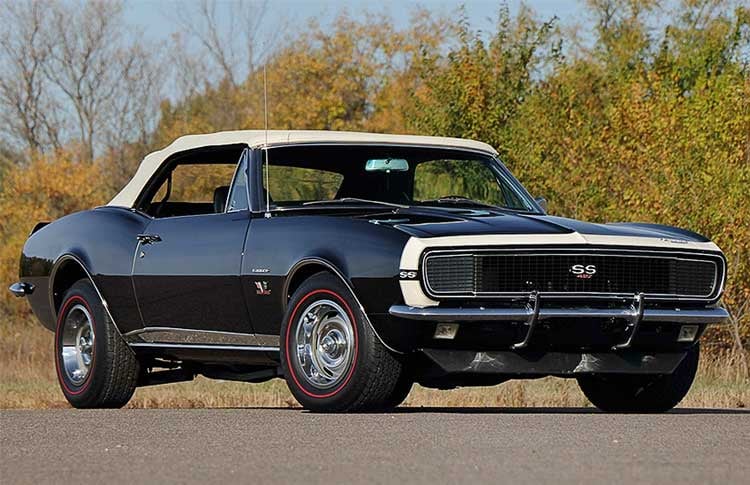
1967 Camaro RS/SS Convertible photo courtesy of Mecum Auctions
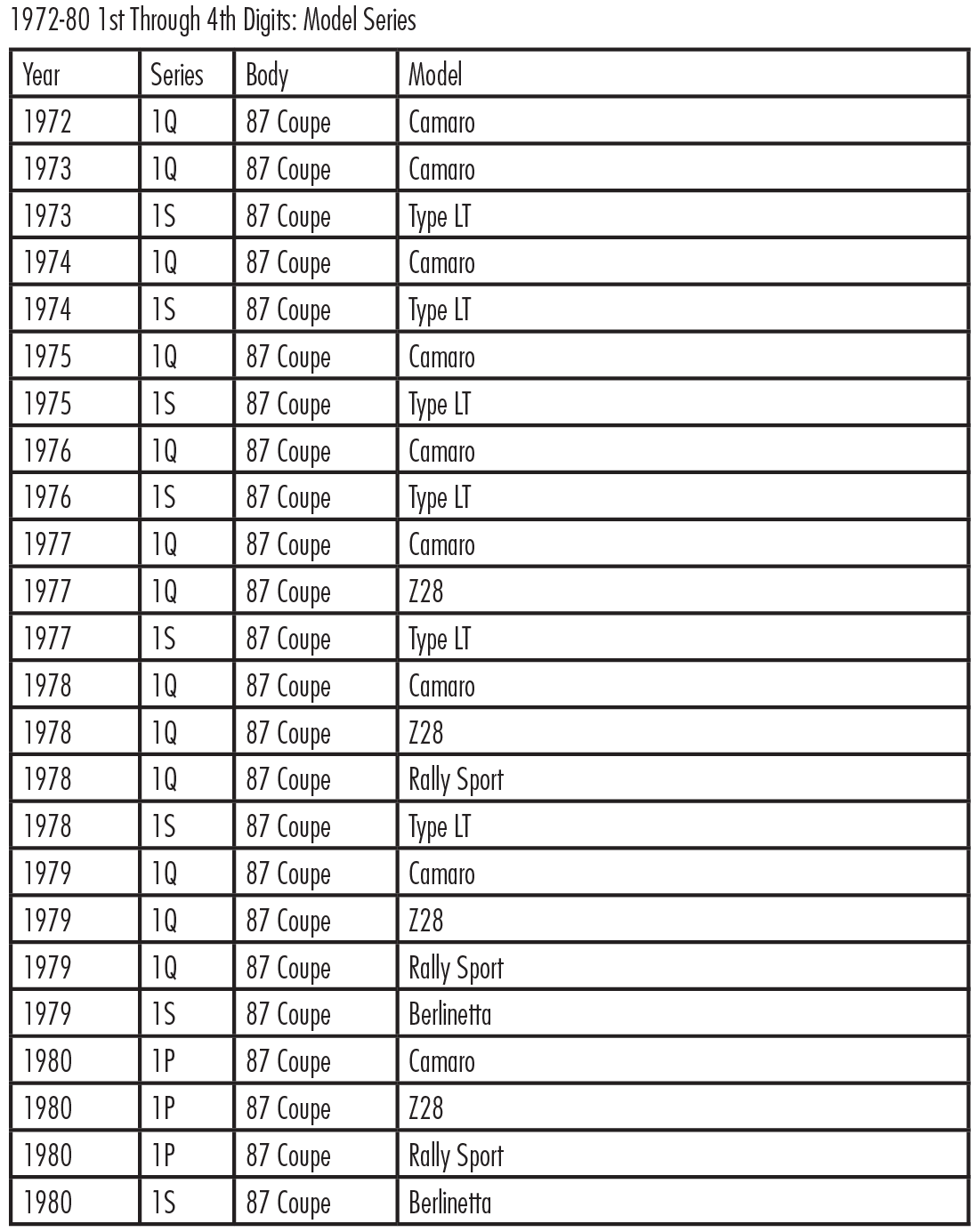
1972-1980 Camaro VIN Decoder
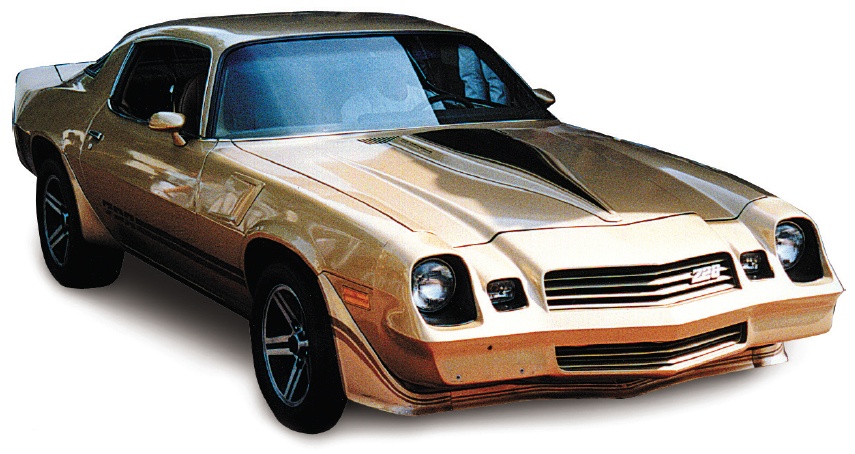
In 1972, GM changed the Camaro VIN format to separate the Engine code from the Series code. This gives us much more detailed information on specific engine configurations, instead of a simple "3" for inline-6 or "4" for V8.
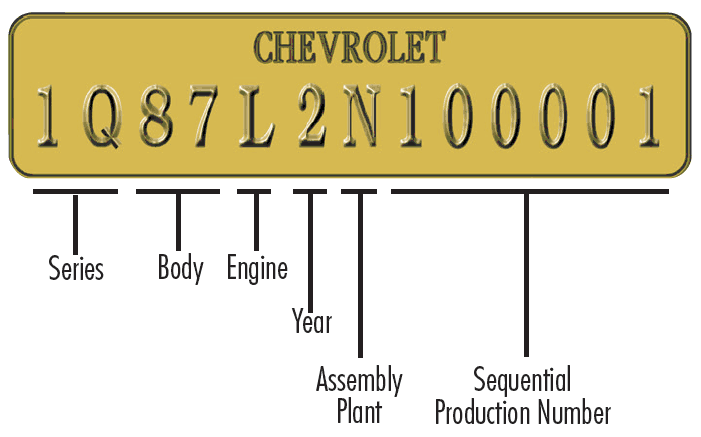
First Digit
Series Origin: 1=General Motors
Second Digit
Series Model: Q=Camaro (1972-79), P=Camaro (1980), S=Type LT (73-78) or Berlinetta (79-80)
Third & Fourth Digits
Body Style: 87=Coupe
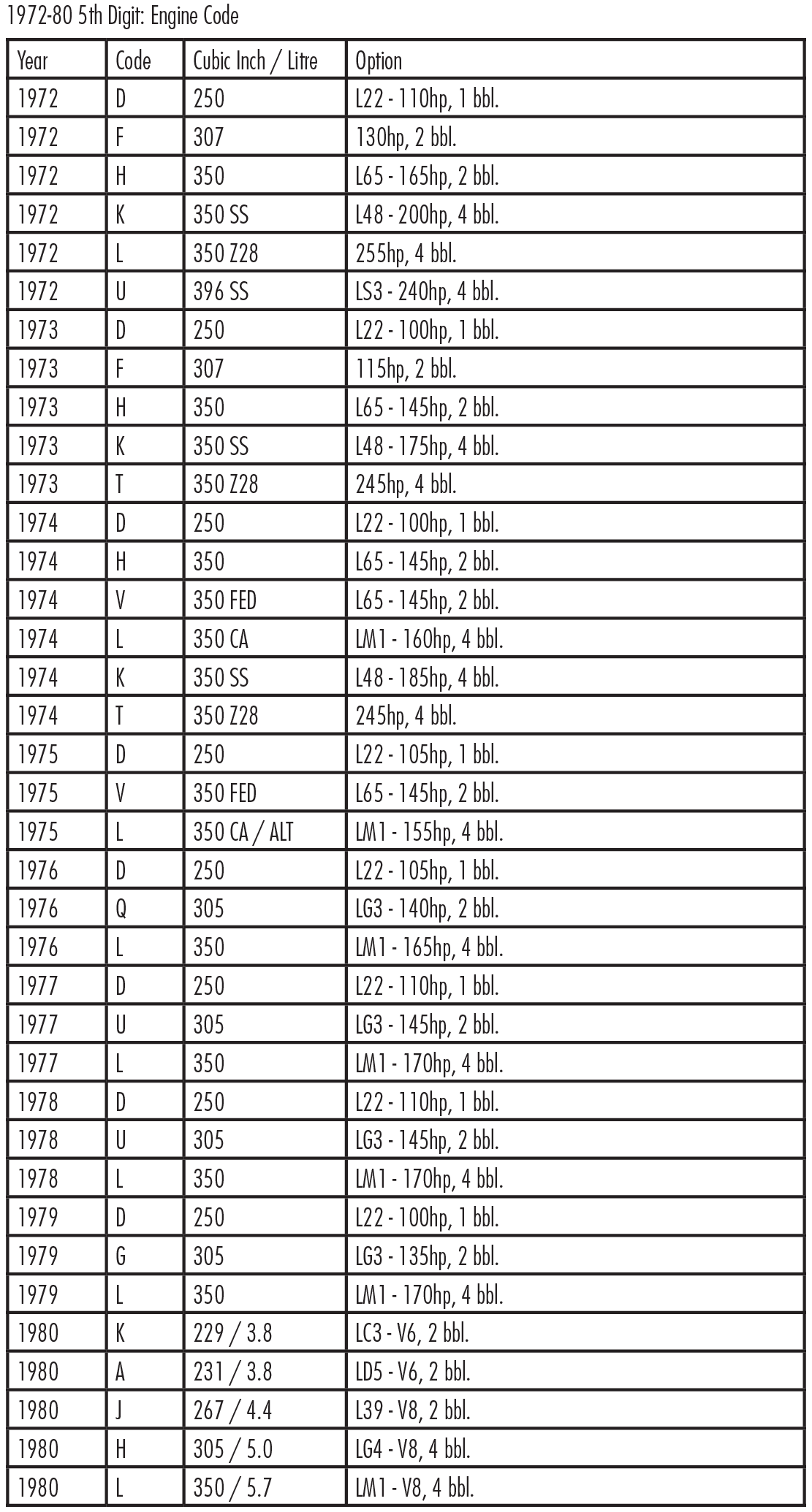
Fifth Digit
Engine: (see codes below)
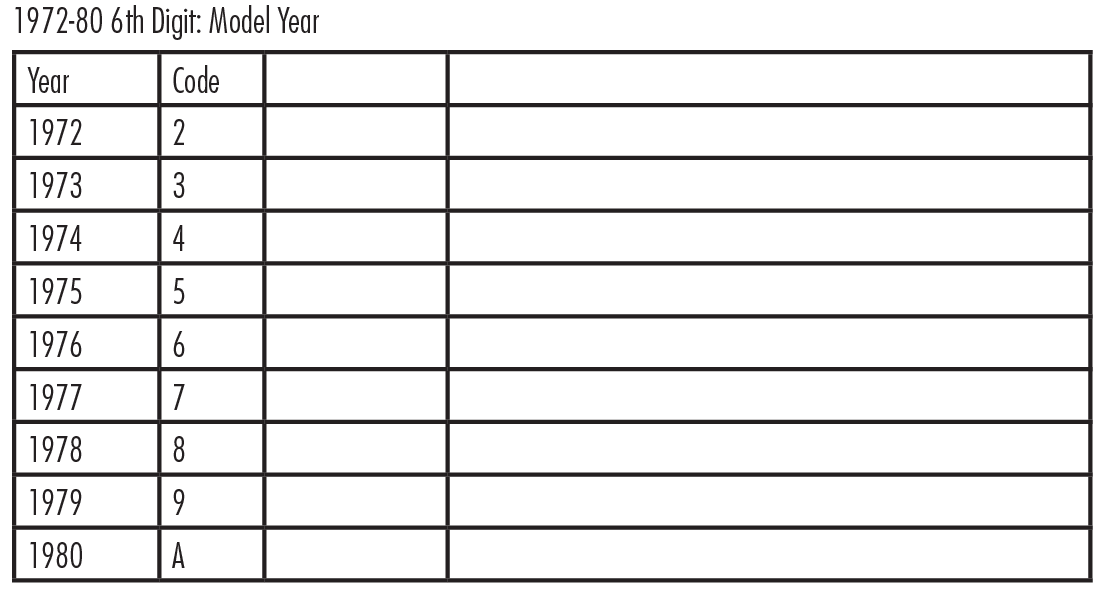
Sixth Digit
Year: (see codes below)
Seventh Digit
Production Plant: N=Norwood, Ohio, L=Van Nuys, California
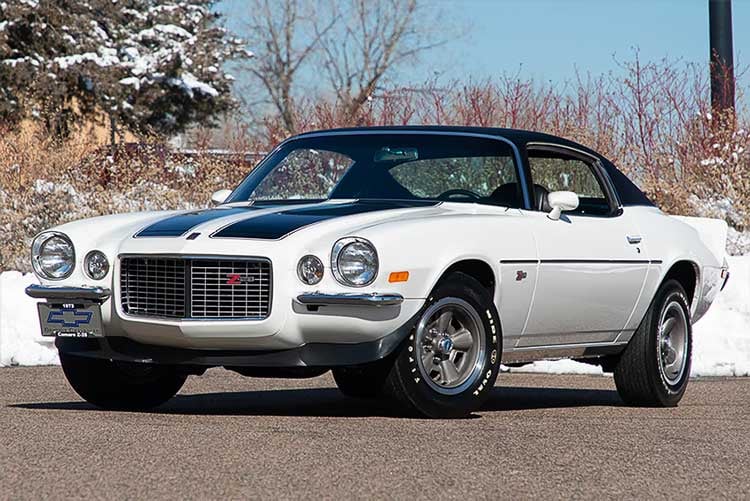
1973 Camaro Z28 photo courtesy of Mecum Auctions

1981-1986 Camaro VIN Decoder
Leading up to the start of the third generation Camaro in 1982, GM changed VIN formats again. This time, the VIN starts with an origin code indicating US or Canada production. It also adds a code for restraint type, reflecting the increased emphasis on seatbelt and airbag design.
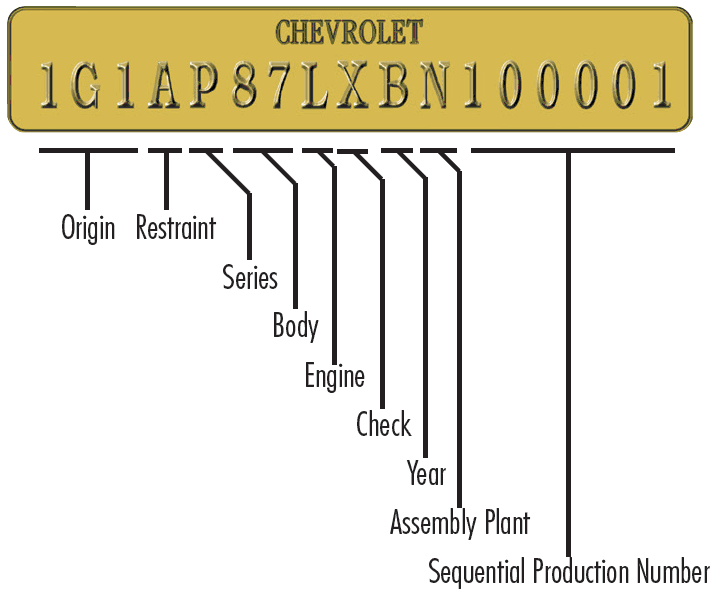
First Digit
Origin: 1=USA, 2=Canada
Second Digit
Division: G=General Motors
Third Digit
Sub-Division: 1=Chevrolet, 7=GM of Canada
Fourth Digit
Restraint: A=manual belts, B=automatic belts, C=automatic belts with airbag
Fifth Digit
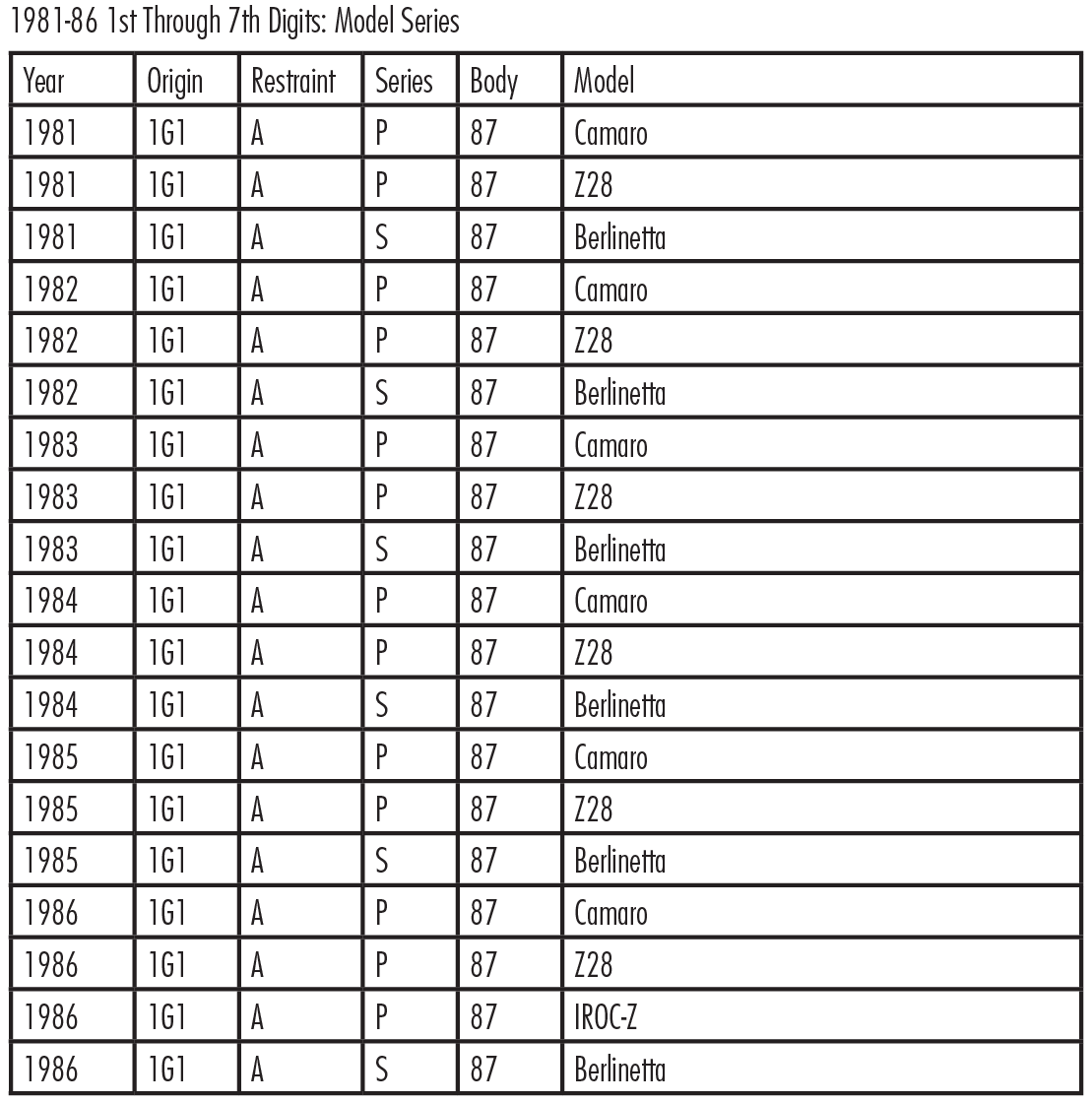
Model: P=Camaro Coupe or Z28, S=Berlinetta
Sixth & Seventh Digits
Body Style: 87=Coupe
Eighth Digit
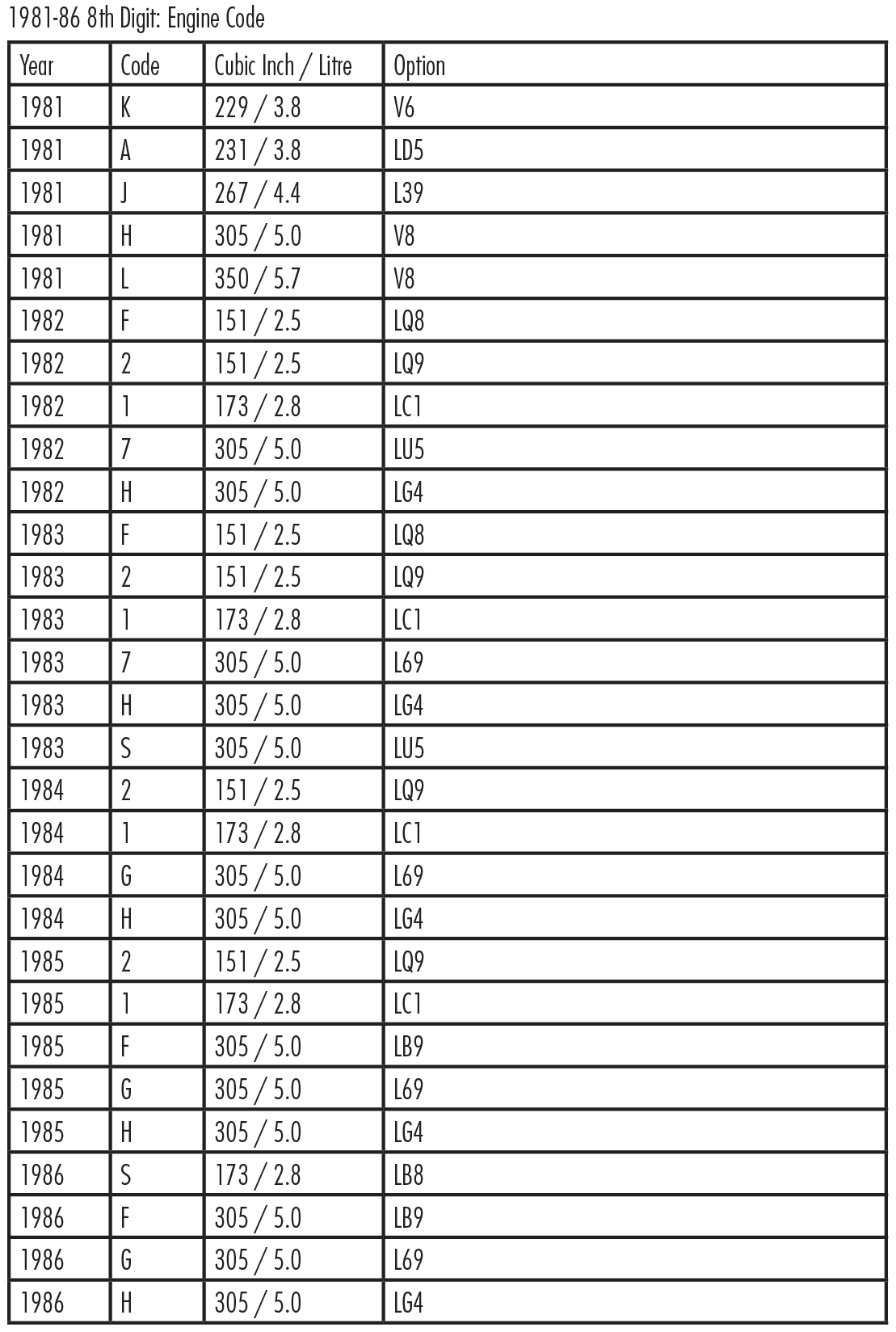
Engine: (see codes below)
Ninth Digit
Check digit used for internal GM records
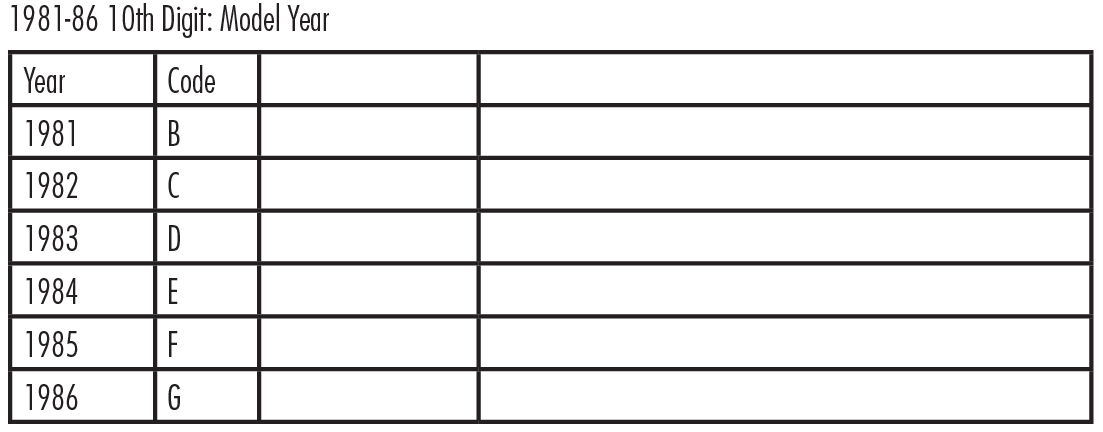
Tenth Digit
Year: B=81, C=82, D=83, E=84, F=85, G=86
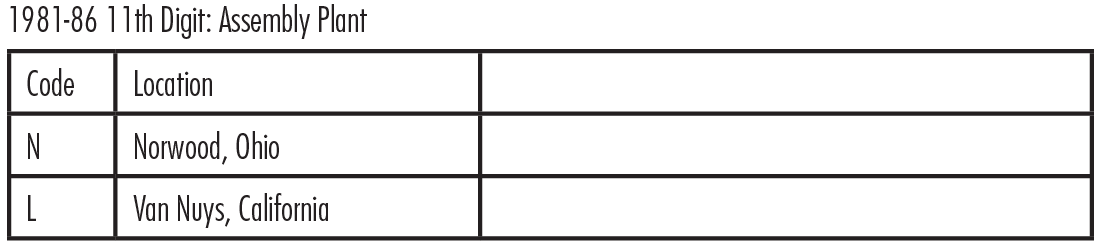
Eleventh Digit
Production Plant: N=Norwood, Ohio, L=Van Nuys, California
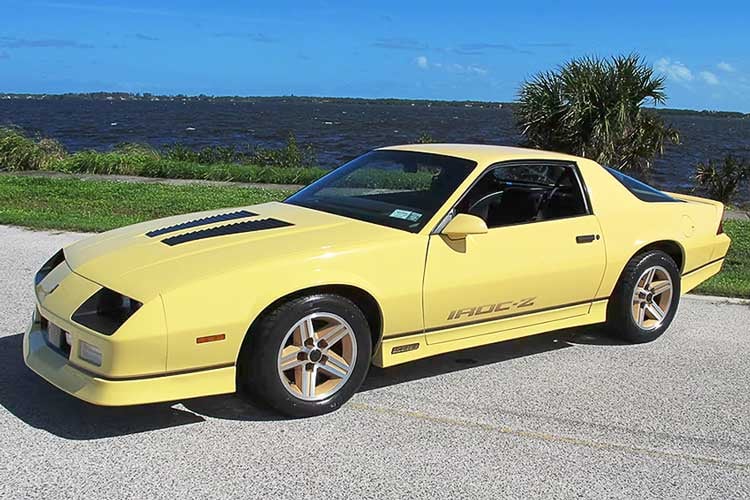
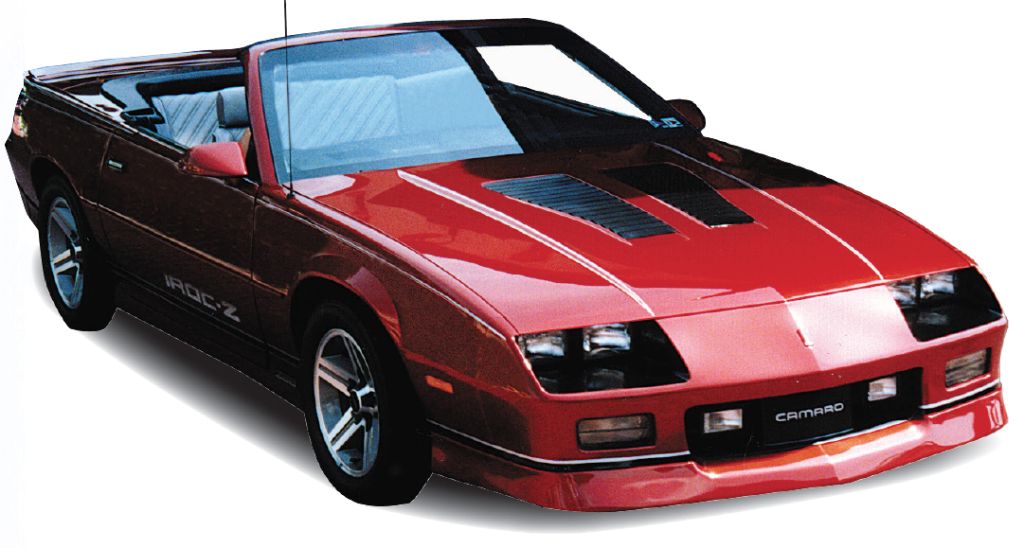
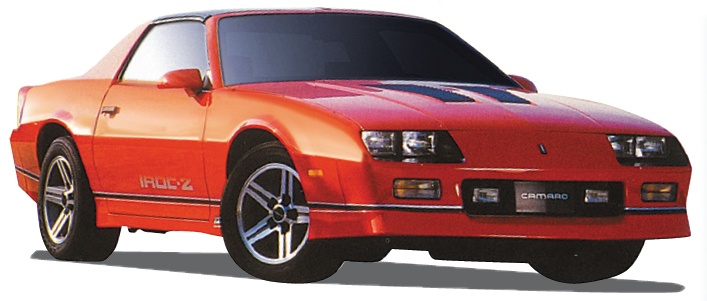
1986 Camaro IROC-Z photo courtesy of Mecum Auctions

1987-2002 Camaro VIN Decoder
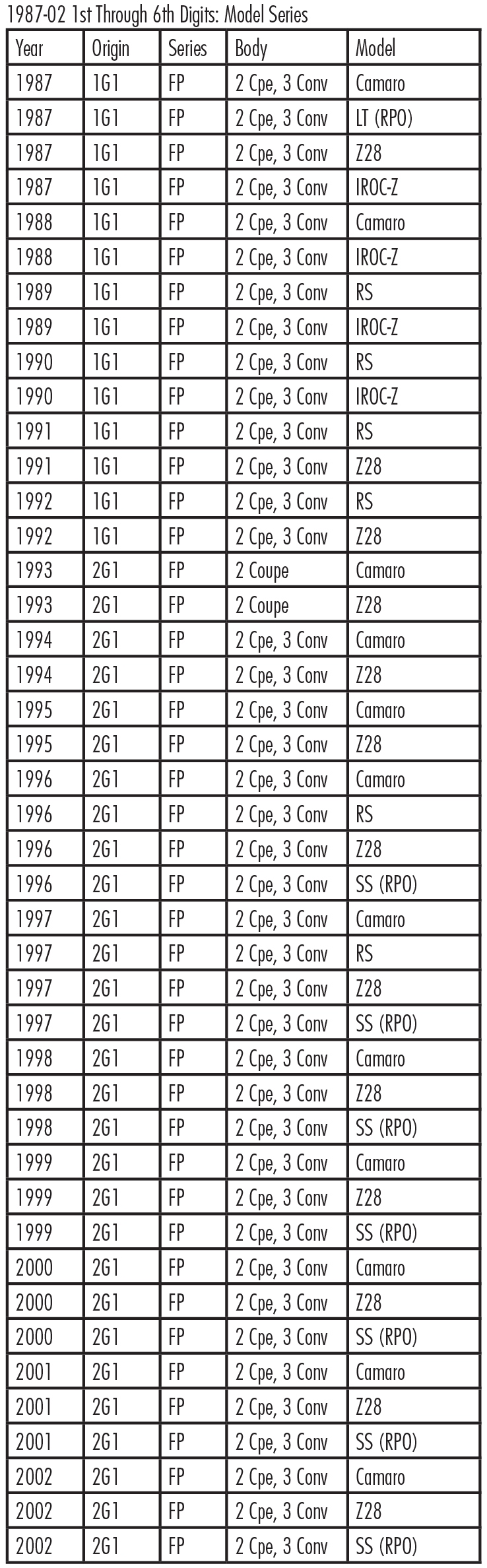
For the last few years of the third gen and the entirety of the fourth gen, GM changed the sequence of the VIN codes slightly. The body style code also became relevant again with the re-introduction of convertible models.
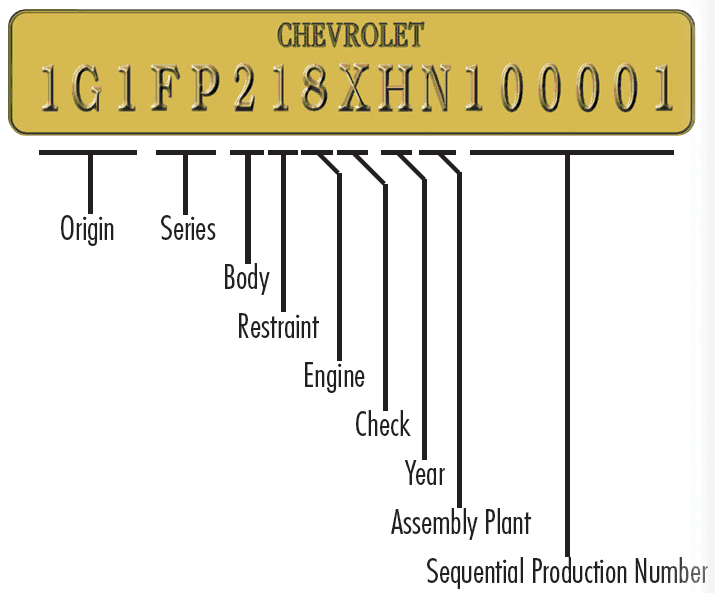
First Digit
Origin: 1=USA, 2=Canada
Second Digit
Division: G=General Motors
Third Digit
Sub-Division: 1=Chevrolet, 7=GM of Canada
Fourth Digit
Series Platform: F=F-Body Platform
Fifth Digit
Series Model: P=Camaro
Sixth Digit
Body Style: 2=Coupe 3=Convertible
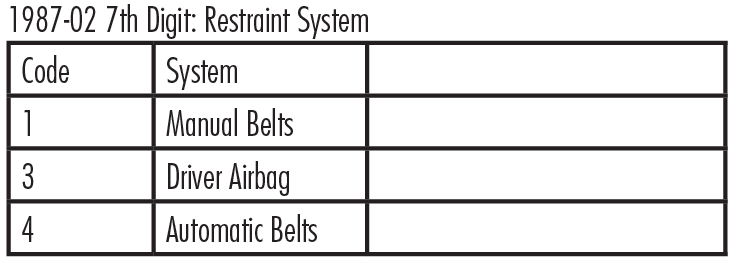
Seventh Digit
Restraint: 1=manual belts, 2=manual belts with built-in safety, 3=manual belts with driver's side airbag, 4=automatic belts
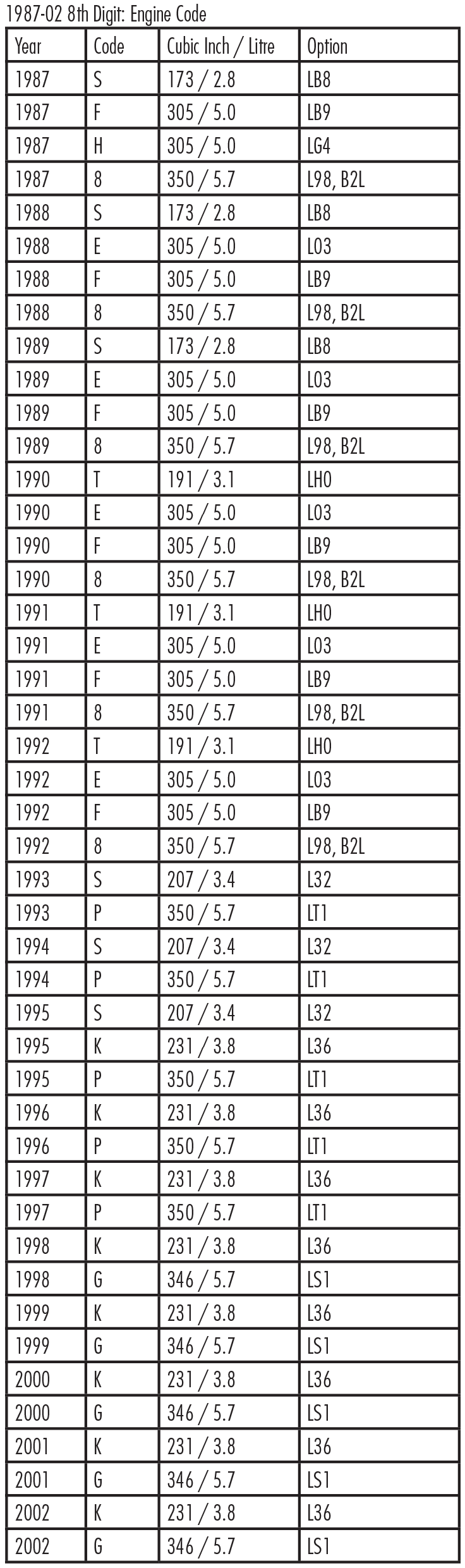
Eighth Digit
Engine: (see codes below)
Ninth Digit
Check digit used for internal GM records
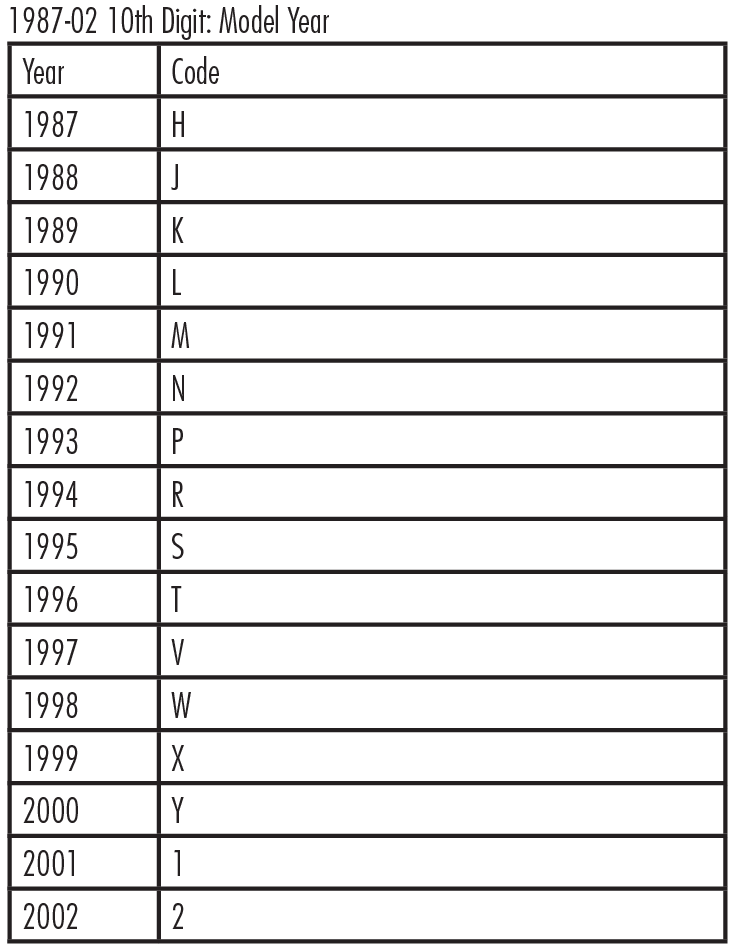
Tenth Digit
Year: (see codes below)
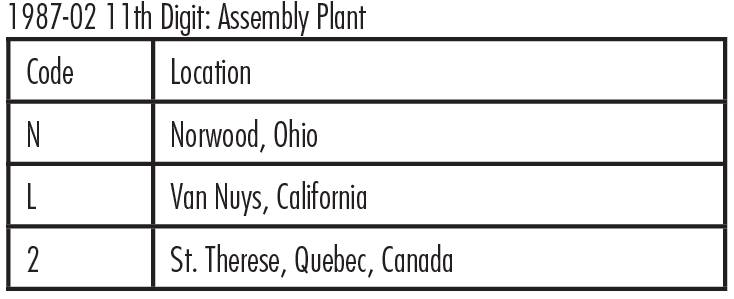
Eleventh Digit
Production Plant: N=Norwood, Ohio, L=Van Nuys, California, 2=St. Therese, Quebec, Canada
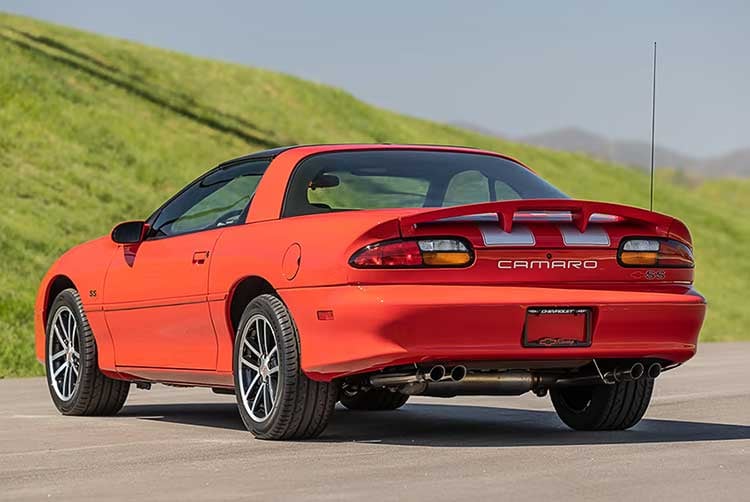
2002 Camaro SS photo courtesy of Mecum Auctions

Camaro Trim Tag Decoder
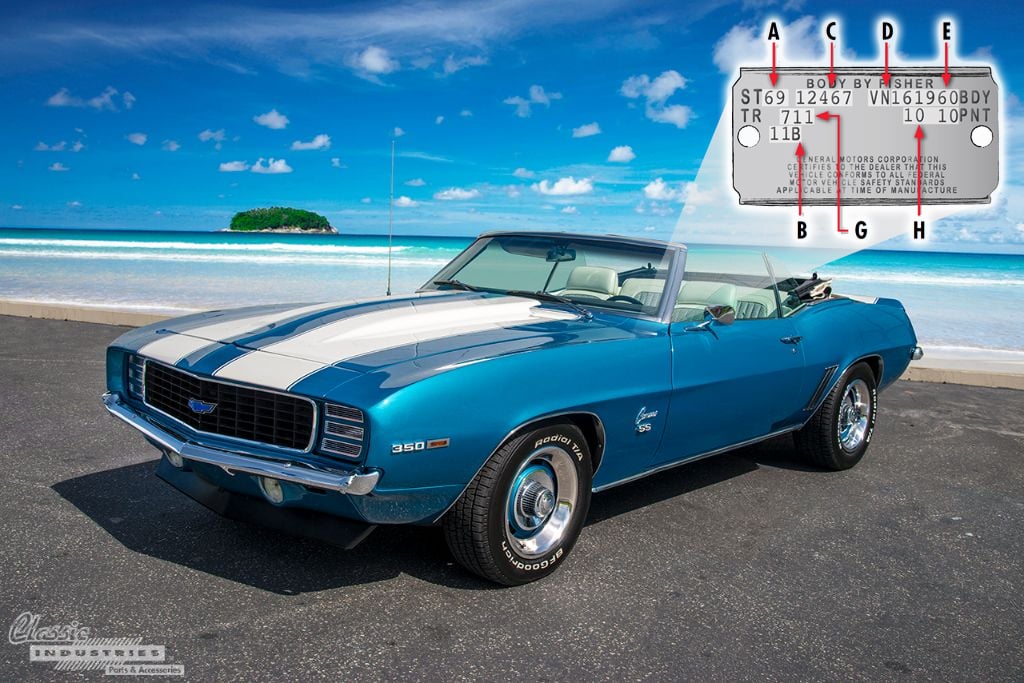
In addition to the VIN, every 1967-1985 Camaro also came with a trim tag that provided more information about its interior trim, exterior paint, and other specifications. Check out our Camaro trim tag decoder article to learn how to interpret the stamped steel tag found under the hood of your Camaro.
For more interesting information about the Chevrolet Camaro, read some of our articles below:
- • Almost Lost Forever: The Story of the First Camaro (VIN N100001)
- • Camaro History - More Than 50 Years of Iconic Design
- • Camaro Production Numbers: First-Gen to Fourth-Gen
Looking for Camaro Restoration Parts?
Now that you've decoded your Camaro VIN, you know how your vehicle rolled off the assembly line. If you need Camaro parts to restore it to that factory-fresh condition, click the button below to browse our selection of Camaro restoration parts. We have all the components you need to make your Camaro good as new — or even better!