
 Before you embark on a Camaro restoration, you've got to own a Camaro, right? If you've already got a 1967-69 Camaro stashed in your garage, all the better, but if you're starting from scratch, you need to know the who's, what's, and where's of buying the right Camaro for your particular wants and needs. Camaro restorations can be fun and profitable, but if you dive into the project with the wrong car - rusted, faked or both - the restoration could turn into a personal and financial nightmare. Always remember this golden rule of restoration: Don't buy a Camaro for restoration if the total cost of the car plus the total cost of the restoration will exceed the total current value of the Camaro when it is completed.

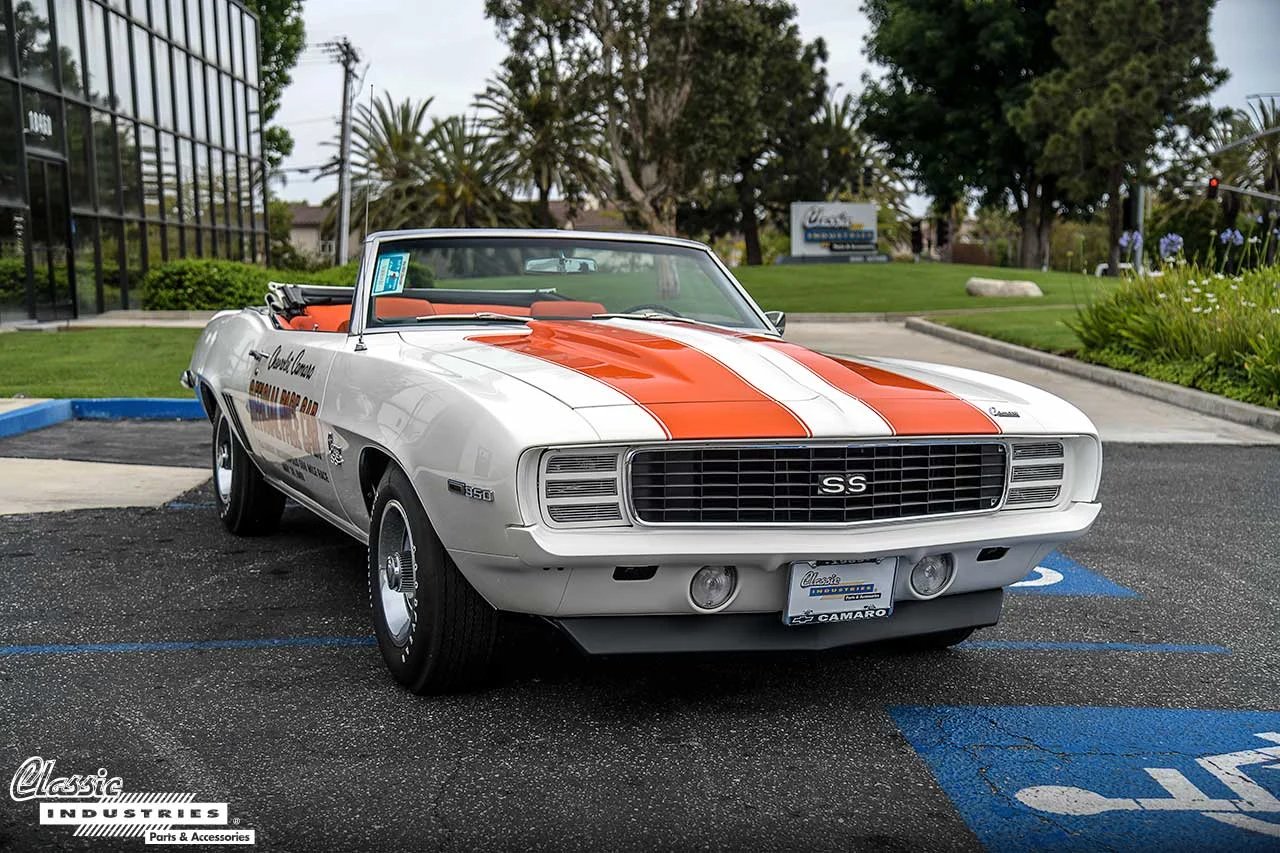
Above: The white-with-orange-stripes 1969 Pace Car convertibles bring big bucks on the collector market, so don't get stung with a fake.
Start out by determining the intended use of the Camaro. If you want a nice daily driver, limit your search to six cylinder or low performance small-block Camaros; you'll be sorry later if you end up with a herky-jerky Z/28 or temperamental Yenko 427. On the other hand, if you want a Camaro musclecar for Saturday night cruising or Sunday afternoon drag racing, look for the high performance versions. Collection or investment? Again, look for the Camaro musclecars - Z/28s, SS 396s, Yenkos, etc. - because those cars will increase in value quicker than their low performance brethren. Convertibles, too, especially the 1967 and 1969 Pace Cars, possess excellent investment potential. For restoration purposes, the convertibles and high performance Camaros are the best picks because they are, and probably always will be, the most popular of all Camaros, and therefore they will retain their value in the future.
Once you've decided on a Camaro year and model favorite, start learning as much as possible about the Camaro before heading out into the Camaro marketplace. Knowledge is a wonderful thing, and in the Camaro restoration business it can save you a bundle of money. Because Camaro values are becoming so heavily influenced by originality, you need to know what is original and what is not. When you get into the high buck cars - the Z/28s, for example - originality becomes a serious game with high stakes. If you mistakenly pay Z/28 dollars for a 327 Camaro decked out in Z/28 clothing, you could find yourself priced out of the restoration business in a hurry. Chevrolet's vague numbering system - especially on the 1967-68 cars - has made it easy for Camaro counterfeiters to fake the more popular, and higher-priced, models, like the Z/28s and Pace Cars. In fact, of all the musclecars ever produced, the Z/28 Camaro is probably faked more often than any other make or model, most of the time for owner prestige but often the fake is designed to fetch a higher price for a lesser model. How many times have you seen a 327 Camaro with stripes on the hood and Z/28 emblems on the grille?

Above: Any Camaro convertible makes a good restoration project because the ragtops are always in demand. This 1968 Rally Sport version, with the hide-away headlight grille, is especially desirable, even with the 250 six cylinder engine.
Even if you deem a Camaro as an authentic model, watch out for non-original components. Over the years, most Camaros have seen some rough treatment, from wrecks to drag racing to street machining, so many of the factory original parts, including engines and drivetrains, are either damaged beyond repair or they are missing completely. During a restoration, you'll want to replace those items with good original, new-old-stock or reproduction parts - if you can find them and if you can afford them. Fortunately, the reproduction market for Camaros is growing by leaps and bounds, so many heretofore unavailable pieces are currently, or soon will be, available from the reproduction aftermarket. But be aware of the items that are not readily available, because when and if you find them for your restoration Camaro, they will carry a premium price. And the cost of replacement parts adds to the total cost of the restoration. If you've got a choice, be willing to pay more money for an original Camaro with its original components. Non-original Camaros may cost less in the beginning, but you'll pay later while buying the original parts during the car's restoration.
Probably the best and most definitely the cheapest way to learn about Camaros is to read about Camaros. A number of excellent Camaro books are already on the market, so pick one or two up from your favorite bookstore or from one of the many Camaro parts houses that sell Camaro-related literature. To learn about Camaro originality, we recommend two superb reference books: Camaro 1967-69 Fact Book by Dobbins and Incremona, and Camaro: Chevy's Classy Chassis by Ray Miller. Both of these books feature lots of detailed photographs to help the reader identify Camaro years and models, original components and options. For Camaro history, look for Michael Lamm's The Camaro Book (formerly The Great Camaro), a 144-page Camaro history book that starts with Chevrolet's ponycar development, initially named the Panther, and follows the car's progress right through the 1981 models. Chevrolet literature, such as sales brochures and facts books, can also serve as excellent reference sources.
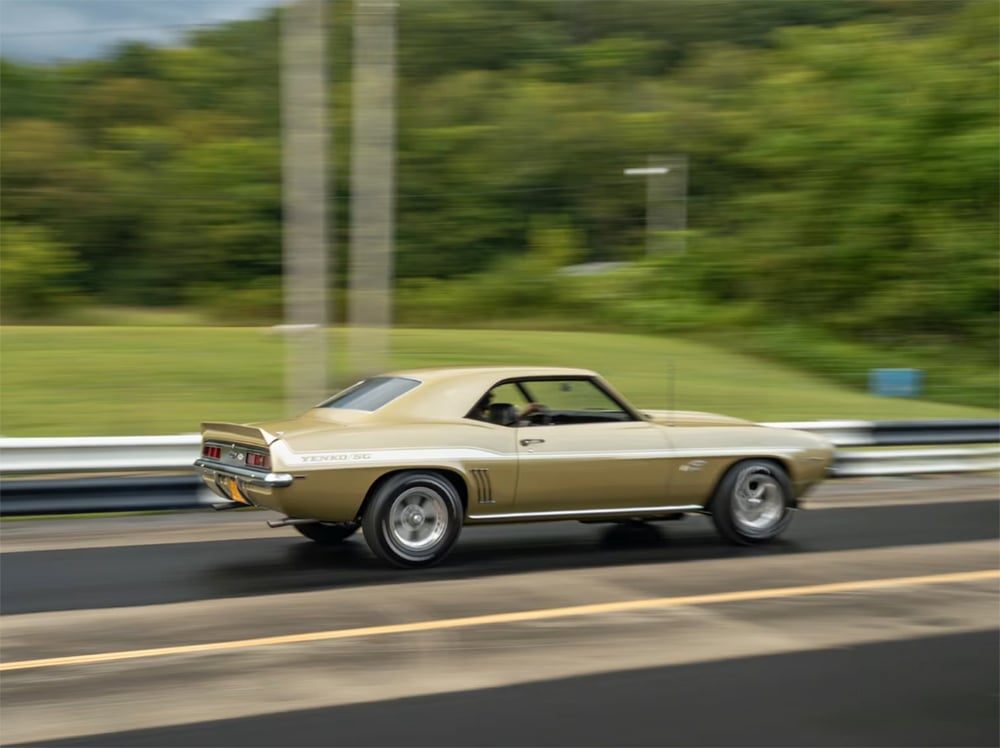
Clubs, online forums, and social media groups like on Facebook, Instagram, Pinterest, YouTube, and X (formerly Twitter) can also help you earn your degree in Camaro recognition. The national organizations publish quality magazines filled with Camaro information and photos. On a local basis, clubs give you the opportunity to attend local shows and functions where you can probe members for information and inspect their Camaros. Even if you don't plan to enter your Camaro in show competition, attend the events and scrutinize the show Camaros. By observing what other restorers have done, you can collect ideas on how to restore your own Camaro. Take a camera along and photograph the various details that catch your eye.
The Hunt

Above: If possible, it's better to shell out the extra money for a nice car than to shell out the money during a costly restoration. Nicer Camaros are easier and cheaper to restore, plus you'll end up with a better restoration.
You've learned your lessons well, and you're finally ready to go out into the world in search of your dream Camaro. Where do you look? Camaros for sale can appear in a variety of places, but first you must consider several factors. Can you travel out of state to buy, and pick up, a Camaro? Are you comfortable buying a car over the phone without actually inspecting the car firsthand? Are you capable of evaluating a used and probably abused Camaro on a used car lot or at an auction? With a little luck, you'll find the Camaro you're looking for within a day's driving distance, allowing you to inspect the car before shelling out your hard-earned money. But if you're hungry for a rare species like a ZL-1 or a Yenko, you can call ahead to the travel agency for plane reservations.
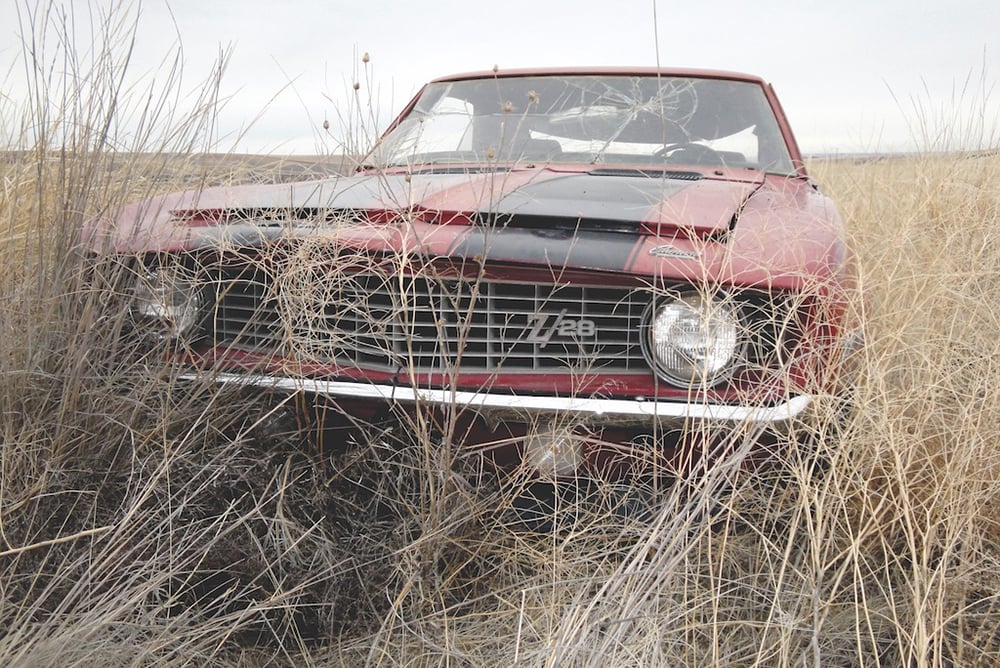
On a local basis, start with your hometown newspaper classifieds (if you still subscribe or read a newspaper online), various online sites like Hemmings Motor News (or the monthly magazine classifieds), Bring a Trailer, Mecum Auctions, RM Sotheby's, Barrett-Jackson, Beverly Hills Car Club, auto trader publications, Craigslist, Facebook Marketplace, etc.. The advantage of shopping locally is obvious: driving across town to look at a Camaro prospect is a bunch better than scrutinizing a car over the phone or on the internet.

Above: LS7 V8 powered and five-speed manual transmission equipped 1967 Camaro pro touring that's currently on Bring a Trailer (May 5, 2026 - photo courtesy of BaT)
National car trader publications, such as Hemmings and the National Auto Trader, give you plenty of Camaros to choose from, both online and in their publications, including some of the rarer models, but most of the cars for sale will be located out of state and possibly on the other side of the North American continent. Long distance car shopping is risky business, with false advertising and overselling owners being the major drawbacks, but it may be the only way to find the Camaro you want. Then, once you've found the right car and you've made a buying decision based on the seller's description of the car, you've got to find a way to get the car from its present home in North Dakota to your driveway in San Antonio, Texas. We mentioned attending Camaro car shows to learn about Camaro originality and to generate restoration ideas, but most shows also designate a special area as a cars-for-sale section. It's like a huge Camaro used car lot, all in one spot. However, don't look for a deal. Club member owners usually know exactly how much their cars are worth, so don't expect to stumble across a super buy, especially on a Z/28 or Pace Car convertible. If money is no object in your quest for your perfect Camaro, car shows offer the cream of the crop all dressed up, lined up and ready to go - if you can convince the proud owner to sell. Of course, money talks, and if the price is right most car people will sell anything, including wives and children.
Video: Hemmings Motor News: 1969 Camaro Z/28: A little ferocious animal that eats Mustangs!
Collector car auctions are beginning to attract the Camaro crowd, but unfortunately most of the cars that cross the block are either dolled up pieces of junk or faked high performance models. On the plus side, buyers can inspect the cars before bidding, so if you're sharp on your Camaros you'll be able to spot the flakes and fakes.

Above: In the case of the above 1969 Camaro Z/28 with the Rally Sport (RS) option, looks can be deceiving. This Z/28 auctioned off at the Mecum Auctions sale in Monterey, CA 2024 for $220,000. It was formerly owned by actor Paul Walker and his good friend Roger Rodas. Here's a Camaro that's probably worth more unrestored, given its provenance (photo courtesy of Mecum Auctions).
Occasionally, a local used car lot will stick an interesting Camaro out on the front row. However, the cars are usually tattered remnants of teenage hot rodders who added air shocks and a J.C. Whitney hood scoop, but in rare instances you could stumble across a nice RS or SS model, or maybe even a convertible. So if you're in the market for a restoration Camaro, keep an eye on the used car lots as you drive down the road. You never know what could turn up.
Condition Response
Once you've found a desirable Camaro for sale, check to see what condition its condition is in before shaking hands on the deal. By now, most Camaros have seen some rough treatment, especially the muscle car versions that have been hot rodded and raced for the past 15 years, so your restoration will serve to undo the mistreatment of time. If you know where to look and what to look for, you can save yourself a lot of time, grief and money during a restoration project by turning away from heavily damaged Camaros and looking only for cars that fit within your restoration budget. You'll pay more for the nice cars, but you'll pay less for a ragged out Camaro, but you'll pay more - a lot more - for the restoration. In other words, it's better to buy a good, straight project car, preferably one without major rust problems, because they're easier and cheaper to restore. Plus, you'll probably end up with a better restoration.

Above: Here's a photo of the 302 cubic inch V8 mill that's in the Paul Walker and Roger Rodas 1969 Camaro Z/28. If the engine's running fine in this famous movie star Camaro, you'd probably want to leave it be. It's worth more with patina (photo courtesy of Mecum Auctions).
In the case of extremely rare Camaros, like the ZL-1 427s or 1967 Z/28s and Pace Cars, you may have to settle for whatever you can find. Of course, those cars fetch high prices in restored condition, so you can afford to lay out more money for their restoration.
Here are some things to look for when inspecting a potential project Camaro buy:
Body: You're looking primarily for body filler, which indicates previous damage due to wrecks or rust. Sight down the side of the car and look for wavy reflections in the fenders, doors and especially the rear quarter panels. With a weak magnet (the kind used to attach notes to the the fridge), feel for magnetic pull in suspect area. A void using strong magnets because they can pull right through thin layers of filler.

Above: Small patches of rust, like this surface rust on the rear of a 1969 Camaro, are insignificant to a restoration project. However, be on the look-out for serious frame rust.
Rust: Most cars rust in basically the same places, and Camaros are no exception. In northern climates where salt is used by the dump-truck loads to melt ice on roads, you know you'll find rust, so you're actually looking for the extent of the damage. Front and rear wheelwells collect rust-happy substances, so always check around the wheel openings, inside the wheelwells themselves and in the panels behind the wheel openings. Many times, plastic body filler is used to fill in rust holes, so use your magnet to locate heavy filler applications, especially in the lower rear quarter panels. Inspect the subframe assembly, and stay away from the car if you find serious rust problems there. Open the trunk and check the rear quarter panels and taillight panel from the inside.
Hood: Watch out for missing components with functional ram air hoods. Fortunately, almost all of the parts are available from Camaro parts vendors, but replacement adds to the cost of restoration.
Interior: If you're going all the way with your Camaro restoration, you'll want to replace all of the interior carpet and upholstery anyway, so don't concern yourself with ripped seats and the like.
Radio: Non-original AM/FM cassettes hurt Camaro values because original radios are becoming increasingly harder to find, especially AM/FMs. If the dash panel was butchered for the aftermarket installation, the original radio won't fit anymore, so you'll have to find a replacement panel.

Above: When you're dickering over a high performance Camaro, make sure the engine is correct. High performance engines, like this 427 in a 1969 COPO Camaro, fetch high prices, even in poor condition (photo courtesy of Mecum Auctions).
Engine: Again, if you're performing a full-fledged restoration, you're probably planning a complete engine rebuild. But make sure you get the right engine with your potential project car, especially if you're restoring a Z/28 or other high performance model. Incorrect engines on those cars hurt the value, plus you'll have to locate and buy (expensive!) a replacement motor during the restoration, so be sure to deduct accordingly when dickering over the seller's asking price. In the future, Camaros with their original engine (matching numbers and all) will be fetching the premium prices.
A Word About Values
Regretfully, Camaro values are intangible; you can't place an accurate monetary value on a particular Camaro. Realistically, a Camaro is worth only as much as someone will pay for it. Other methods of determining values, such as averaging auction prices, are only estimates to be used as guidelines. Automotive value guides are frequently used for reference by Camaro collectors and buyers, but most value books fail to account for major options and low mileage. For example, factory air conditioning adds about $1,000 to a Camaro in warmer climate areas.
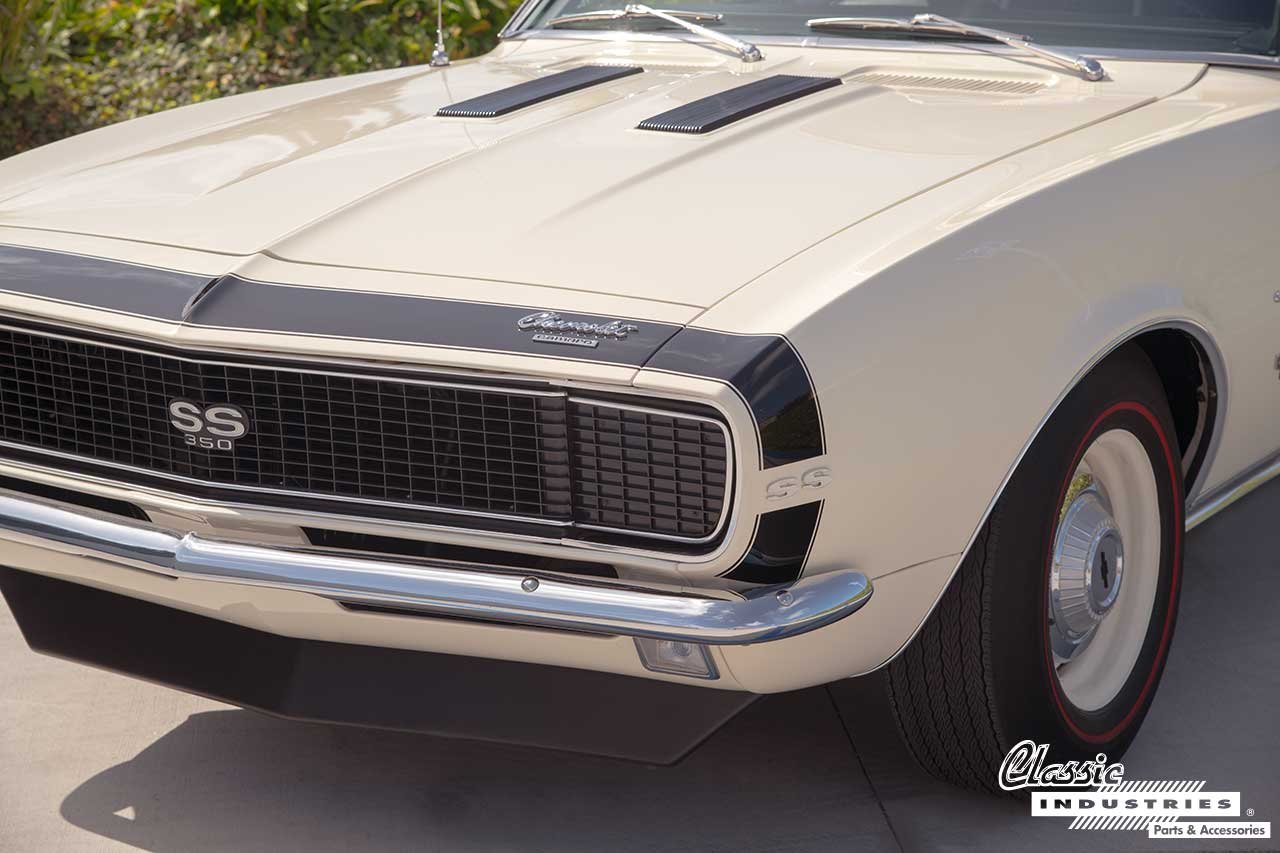
Above: The SS option for 1967-69 Camaros adds extra value to the car.
When placing an estimated value on a particular Camaro, start out with the car's net worth in top-notch condition, then deduct dollars for repairs needed. Take a notebook along and list the repairs needed, along with the estimated cost of the repair. Be sure to figure in parts replacement and labor costs. One way to check values, or to at least satisfy your own peace of mind, is to compare advertised asking prices in Hemmings and other auto-related advertising publications. If you're looking at an RS convertible for a given price and you see a similar car advertised for $500 less, you may want to adjust your offer accordingly, using the advertised price as a dickering advantage.
Types of Restorations
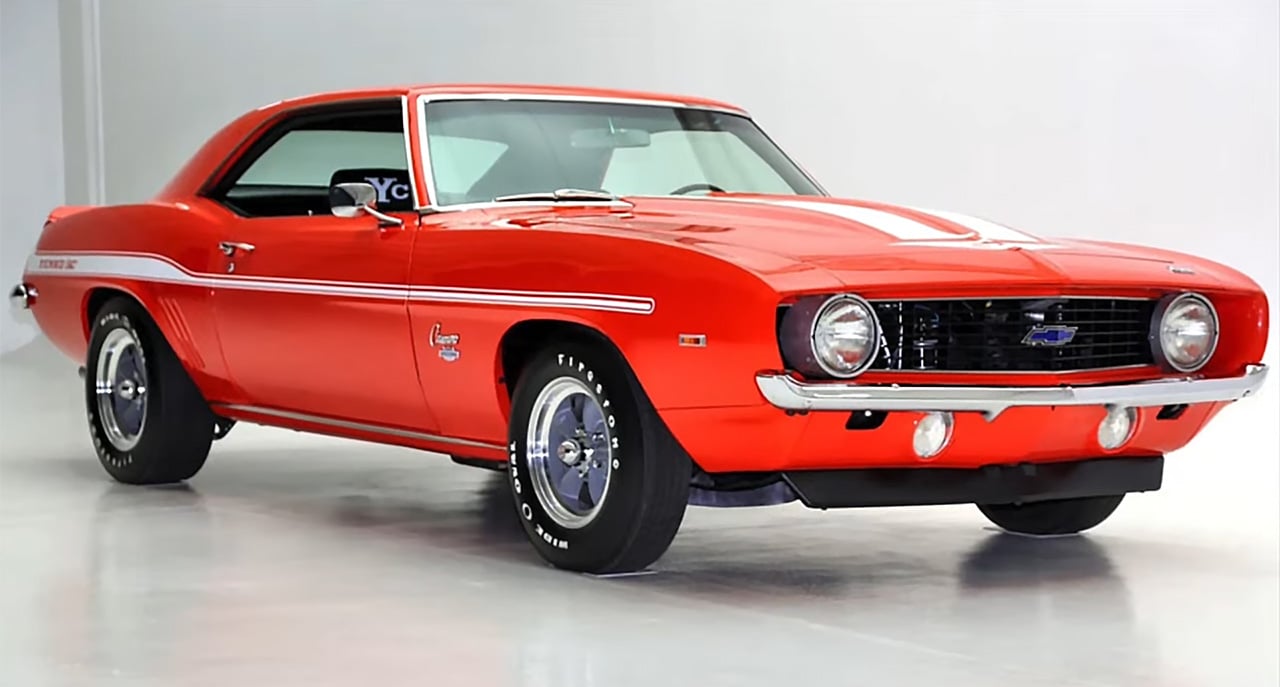
Above: As one of the higher valued Camaros, the rare Yenko versions will hold their value in the years to come, which makes them one of the best Camaro restoration buys. But they're already expensive (photo courtesy of the Don Yenko Museum).
Okay. You've bought your Camaro (or you've owned it all along) and you're ready, willing and able to start on the car's restoration. Which way do you go? First, before loosening the first screw, determine how much money you can spend on the Camaro's restoration. Don't make the mistake of diving head over heels into a frame-up restoration without the necessary bucks to finish the project. All too often, restoration projects take their toll on the family budget, which takes precedence over the restoration budget, and the project car must be sold to keep harmony within the household. Take a notepad out to the garage and list all the replacement parts needed to restore the car, then refer to Camaro parts catalogs for prices and add up the total costs. If you're planning to rebuild the engine, figure in another $5,000 to $10,000, depending upon whether or not you're doing the work yourself and the extent of machine work (balancing, etc.). Paint and body work, if you're farming it out, could run well over $25,000 to $50,000, again depending upon the amount of work needed. Tires, shocks, front end parts, and other restoration requirements add another big chunk of change, so you see how fast the total cost can rise. And we haven't even mentioned rechroming, convertible tops, etc.

Your own restoration skills may dictate the type of restoration for your project Camaro. If you're capable of performing much of the work yourself, including engine rebuilding and body work, then you're way ahead of the game and you're probably capable of tackling a full-fledged, frame-up restoration. However, if you're restoring your first car, you should take it slow and easy with this one and get your feet wet with a simple cosmetic restoration.
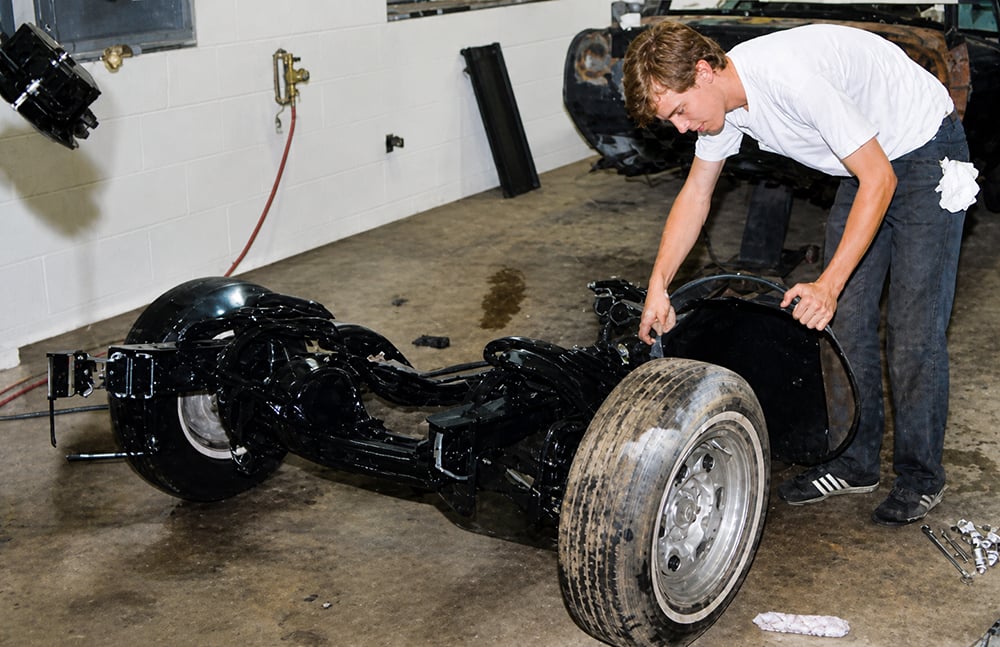
When car people talk about restorations, the term "frameup" always seems to enter the conversation. An abbreviated form of "from the frame up," frame-up restorations usually apply to restorations where the body is removed from the car's frame for a complete and total restoration. With Camaros, the front subframe can be disconnected from the body, but the body cannot be lifted off the rear frame. Still, the frame-up description fits all-out Camaro restorations where the car is completely disassembled, refinished, and rebuilt.
To perform a frame-up Camaro restoration, you'll need plenty of available space for working around the car and storing the hundreds of disassembled components. The car will be totally out of service for several months (maybe years, depending on how fast you work and how fast you can spend money), so you'll have plenty of time to look forward to driving the car when it's finished. But the big advantage is that a frame-up restoration will give you the best opportunity to restore the Camaro right; with the car completely apart, you can clean and refinish areas that are not accessible on an assembled car. A frame-up restoration is the only way to go if you plan to enter your Camaro in show competition.
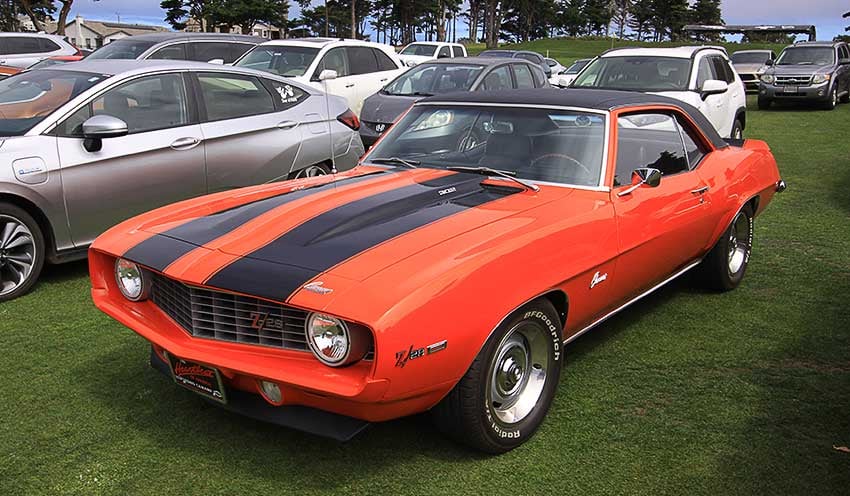
Above: 1969 Camaro Z/28 at the 2024 Concorso Italiano, parked in spectator parking (photo courtesy of the humble scribe).
Cosmetic restorations also have their place in the Camaro world. If you intend to drive the Camaro frequently, a frameup restoration is almost overkill because the first time you get caught in a rain storm you'll ruin all of your beautiful refinishing work, especially beneath the car. With a cosmetic restoration, you perform the body and paint work, restore the interior, clean and detail the engine compartment (and rebuild the engine and drivetrain, if needed), replace worn or pitted chrome and generally improve the car's overall appearance and mechanical condition. When you drive through the local cruising spots, you'll get the oohs and ahhs, but in show competition you'll fall short of the first places and best of shows. However, a cosmetic restoration can be just as satisfying as a full frame-up job, plus you'll improve the Camaro's appearance and value without moving into the poorhouse.

There's also another form of cosmetic restoration called the piece-by-piece restoration, although section-by-section might be a better term. In this case, you can restore your Camaro by sections - interior first, then the engine compartment, followed a couple of months later by the body and paint work, etc. With a sectional restoration, you can continue driving the Camaro most of the time, which is especially helpful if the car is your only form of transportation, and work on the car during the weekends. If you're running short on available cash, you can buy parts over a period of time; when you obtain all the interior replacement items, you can then tackle the interior restoration. That way, you can tailor the project to fit your wallet.
As you can see, there are several ways to attack your Camaro, depending upon your skill, available time, money, space and intended use of the restored Camaro. By choosing the right type of restoration to fit your wants and needs, you'll enjoy the restoration both during and after.

Above: This is how our project Z/28 looked before the restoration. A former tow vehicle for a local lawn service, the 1969 Camaro was used-up in almost every category, including the weather-beaten paint and high-mileage motor.
Project Picking
For this book, and for the restoration series that appeared in Car Review magazine, we restored a 1969 Camaro Z/28, mainly because a Z/28 would be worth the money we were pouring into the project and because we wanted a fast and fun car when the project was finished. After deciding on a Z/28, we had to go out into the world of used cars to find a suitable subject car.
There were two ways for us to go wrong. First and foremost, what if we bought a fake Z/28, the counterfeited reproduction of someone's greedy modifications. And second, we didn't want to buy a hacked up, rusted out Camaro in need of an everything rebuild and panel replacement. In our worst nightmare, we envisioned buying a seemingly nice Z/28, only to discover later that the car had been haphazardly pieced together during a quickie "rustoration" and counterfeited as a Z/28 at the same time. There's nothing worse than a fake Z/28 with rust.

So how do you authenticate a Z/28 Camaro? The best possible identification is the original Protecto-Plate attached to the warranty booklet. In addition to the first owner's name and address, the plate also includes the car's Vehicle Identification Number and option codes, including the 302 engine, a Z/28-only item. The second best method of identification is the original window sticker, which shows the Z/28 option. Of course, for the huge majority of Z/28s floating around out there, both the Protecto-Plate and the window sticker are long gone.

Above: At first glance, the Holley carburetor on our project Camaro Z/28 appeared to be the original 800 cfm unit, but a closer inspection of the numbers on the choke housing revealed a later model 780 cfm Holley 3310 instead of the original Z/28's 4053.

Above: The tiny-but-mighty 302 in our Z/28 project car was fairly clean and original, except for the carburetor and aftermarket exhaust headers, but blue smoke from the tailpipes indicated that a rebuild was needed.
When we found a 1969 Z/28 for sale locally which was missing the above papers, we started looking for more detailed Z/28 information. We discovered that since the Z/28 option was actually a high performance package, all of the Z cars came with essentially the same Z/28 equipment. By looking for the Z/28 pieces and parts, you can separate the real things from the counterfeits. Here's a check-list of things to look for when attempting to authenticate a 1969 Z/28 Camaro:
-
302 engine with DZ suffix code on the block
-
Aluminum intake manifold
-
Forged aluminum valve covers
-
Round open-element air cleaner, chromed (not used with ram air)
-
Chrome oil cap
-
800 cfm Holley carburetor (R-4053-A, DZ)
-
Clutch fan
-
3/8-inch fuel line
-
Muncie four-speed with Hurst shifter
-
12-bolt rear, standard 3.73:1 non-positraction
-
Heavy-duty U-joints
-
Multi-leaf rear springs
-
Quick ratio steering
-
15x7-inch Rally wheels
-
Power front disc brakes
-
Rear bumper guards
-
Paint stripes over hood and trunk

Above: The interior on our unrestored 1969 Z/28 was pretty darn solid. Come back soon for Chapter 2, where we'll be disassembling this Bow Tie Beauteous Beast from the Super '60s!
Classic Industries - The Source for Camaro Components
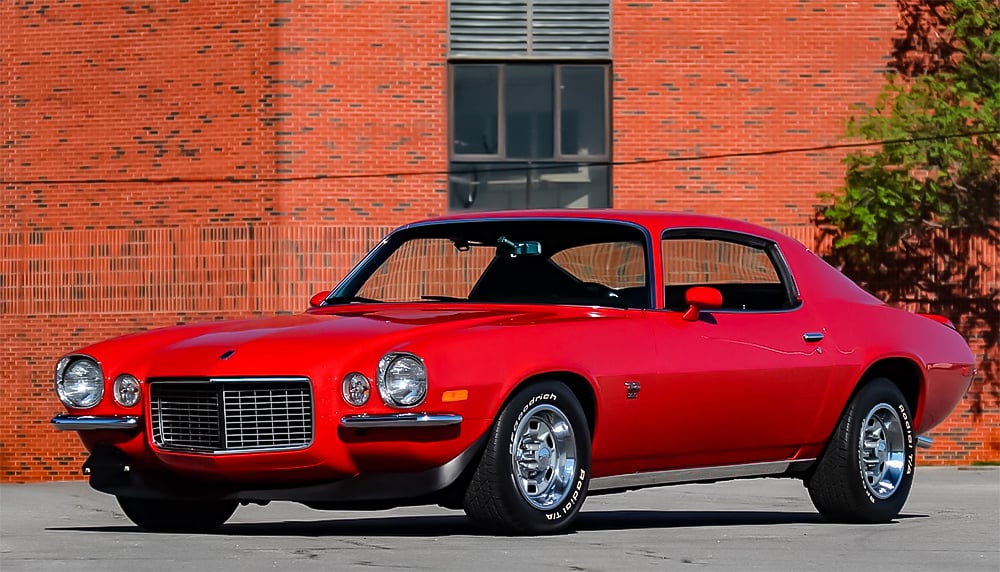
With a focus on quality, authenticity, and customer satisfaction, Classic Industries has established itself as the go-to resource for Camaro enthusiasts. Camaro owners can use the Camaro catalog as yet another valuable tool for finding components alongside the Camaro shopping page on the CI website. From restoring your vehicle to its factory-original condition to enhancing its performance and customizing its appearance, this catalog offers everything you need to take your Camaro project to the next level.